

Joint pain, stiffness, swelling, or instability can make everyday activities difficult. When these symptoms persist, identifying the underlying problem is an important first step toward effective treatment. For patients considering arthroscopy treatment in Hisar, arthroscopy offers a minimally invasive way to diagnose and treat certain conditions affecting the joints.
At Orthomed Hospital Hisar, arthroscopy enables orthopedic surgeons to examine the inside of a joint using a small camera and, when appropriate, treat the problem during the same procedure. This approach provides a detailed view of the joint while avoiding the larger incisions required with many traditional open procedures.
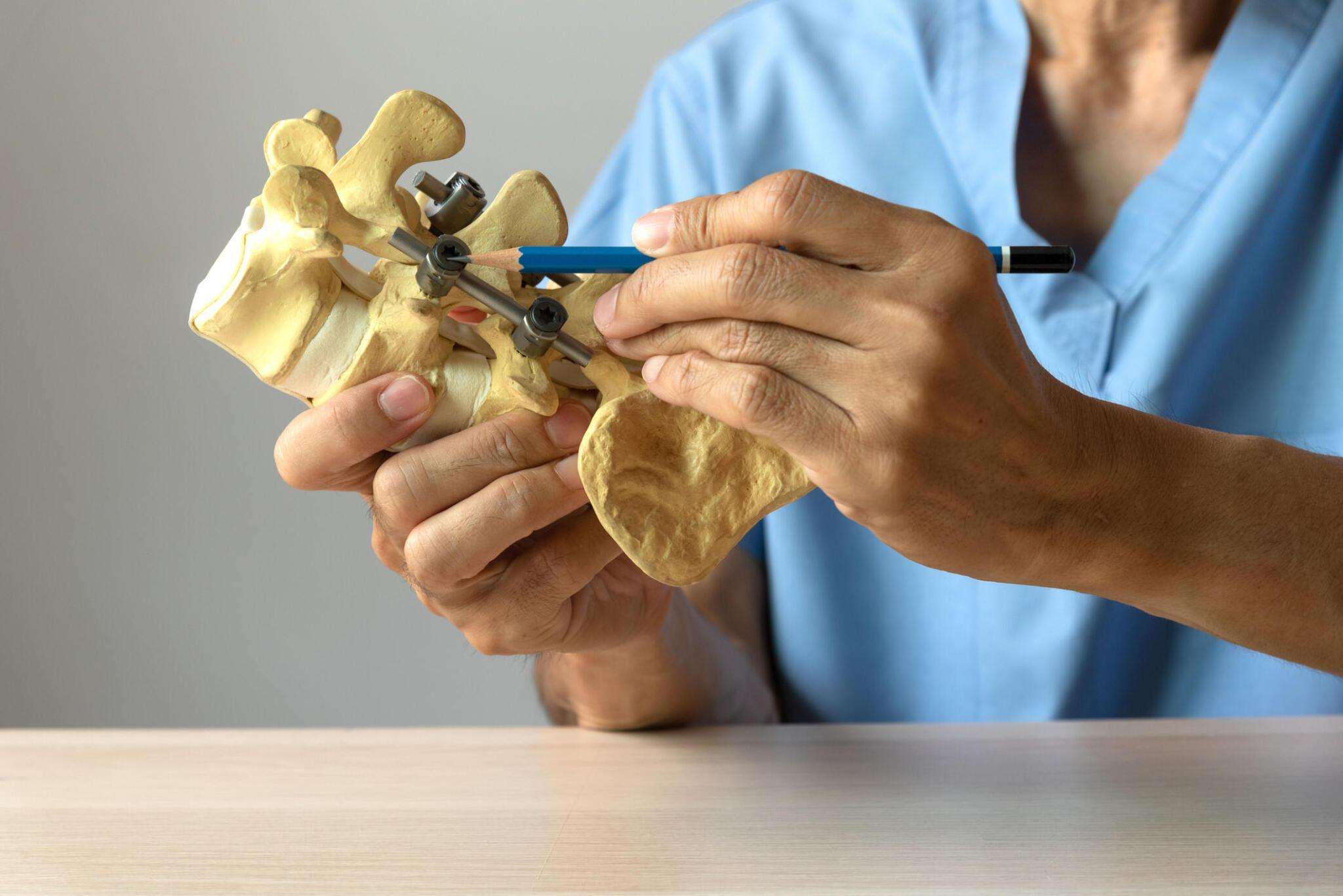
Arthroscopy is a minimally invasive surgical procedure used to examine and treat problems inside a joint. During the procedure, a thin instrument fitted with a tiny camera, known as an arthroscope, is inserted into the joint through a small incision.
The camera transmits a live, magnified image to a monitor in the operating room. This allows the surgeon to clearly examine structures such as cartilage, ligaments, tendons, and the lining of the joint.
If treatment is required, additional small incisions may be made to introduce specialized surgical instruments. The surgeon can then perform the necessary procedure while viewing the joint on the monitor.
Because arthroscopy is performed through small incisions, it is commonly referred to as keyhole surgery or keyhole joint surgery.
Arthroscopy can be performed on several joints. The appropriate procedure depends on the patient’s symptoms, diagnosis, and overall condition.
Knee
Knee arthroscopy is commonly used to diagnose and treat problems such as the following:
Shoulder
Shoulder arthroscopy may be used to treat selected conditions, including:
Hip
Hip arthroscopy may be recommended for selected conditions such as:
Ankle
Ankle arthroscopy may be used in appropriate cases to address:
Elbow
Elbow arthroscopy may be considered for selected conditions involving:
Wrist
Wrist arthroscopy may be used to diagnose or treat selected conditions:
One of the key advantages of arthroscopy is that it can be used for both diagnosis and treatment. Depending on the joint involved and the patient’s condition, arthroscopic surgery may be used to manage several problems.
Meniscus Tears
A torn meniscus may be repaired or trimmed depending on the location, type, and severity of the tear. The decision is based on factors such as the patient’s age, activity level, and the condition of the meniscus.
ACL and PCL Injuries
In suitable cases, ACL or PCL reconstruction can be performed using arthroscopic techniques. The damaged ligament is reconstructed using an appropriate graft to help restore stability to the knee.
Rotator Cuff Tears
Selected rotator cuff tears can be repaired using arthroscopic techniques. The torn tendon is reattached to the bone using specialized instruments and anchors.
Cartilage Damage
Certain cartilage injuries may be treated using procedures designed to preserve or repair the damaged cartilage. The appropriate technique depends on the location, size, and severity of the injury.
Synovitis
Synovitis refers to inflammation of the lining of a joint. In selected cases, arthroscopy may be used to remove inflamed tissue and help manage the underlying joint problem.
Frozen Shoulder
When severe stiffness caused by frozen shoulder does not improve with appropriate non-surgical treatment, arthroscopic release may be considered to help restore movement.
Loose Bodies
Loose fragments of bone or cartilage inside a joint can cause pain, catching, or locking. Arthroscopy may allow these loose bodies to be identified and removed.
Hip Impingement
In selected patients with femoroacetabular impingement, hip arthroscopy may be used to address abnormal bone structures that are affecting normal movement of the joint.
Arthroscopy differs from traditional open surgery mainly in the way the joint is accessed. Instead of making a larger incision, the surgeon uses small incisions to introduce the camera and surgical instruments.
Depending on the procedure and the individual patient, potential advantages of arthroscopy may include:
However, arthroscopy is not automatically the right treatment for every joint problem. Some conditions are better managed with non-surgical treatment, while others may require traditional open surgery. Your orthopedic surgeon will recommend the most appropriate approach based on your diagnosis and individual needs.
Recovery after arthroscopy varies significantly depending on the joint treated and the type of procedure performed.
For example:
Your surgeon will provide specific instructions regarding weight-bearing, exercise, wound care, and activity levels. Physiotherapy may also be an important part of recovery, particularly after ligament repairs and other major arthroscopic procedures.
Arthroscopy treatment in Hisar may be considered when symptoms such as persistent joint pain, stiffness, instability, swelling, or locking do not improve with appropriate conservative treatment.
However, arthroscopy is not necessary for every joint condition. Before recommending surgery, an orthopedic specialist may perform a physical examination and review imaging tests such as X-rays or MRI scans to understand the cause of your symptoms.
The right treatment depends on several factors, including the condition of the joint, severity of the problem, your age, activity level, and overall health.
At Orthomed Hospital Hisar, arthroscopic procedures are used as part of modern orthopedic care for selected joint conditions. The treatment plan is tailored to the patient’s diagnosis, symptoms, lifestyle, and recovery goals.
If you have persistent joint pain, instability, stiffness, swelling, or restricted movement, don’t ignore the symptoms. An early evaluation can help identify the underlying problem and determine whether medication, physiotherapy, injections, arthroscopy, or another treatment approach may be appropriate.
If you are considering arthroscopy treatment in Hisar, consult the orthopedic team at Orthomed Hospital Hisar to understand your condition and explore the treatment options available to you.
Quick Links
Copyrights © 2024 Orthomed Hospitals.
Powered by

Quick Links
Services
Orthomed Hospital, Sector 15 AP, Kaimri road, Hisar, Haryana- 125001
Copyrights © 2024 Orthomed Hospitals.
Powered by