
Exploring the Science of Gait Analysis and Movement Patterns

Exploring the Science of Gait Analysis and Movement Patterns Mobility is freedom—but for many children with cerebral palsy, that freedom doesn’t come easy. Walking challenges can affect every part of life, from playtime to school to social confidence. That’s why the first step to better care is understanding how a child moves. At the leading cerebral palsy hospital in Hisar, gait analysis is making that possible. It’s helping doctors see beyond the surface, customize care, and transform therapy results. With advanced tools and data-driven insights, this method allows specialists to tailor therapies and track real progress—bringing hope and lasting change to countless families. Gait Analysis: A Key Tool in Movement Assessment Gait analysis is the detailed observation of how a person walks. It uses a mix of motion capture cameras, pressure-sensitive walkways, and smart sensors to track every step with precision. From the way the foot lands to how the joints move, nothing goes unnoticed. This technology helps specialists detect hidden issues. Is one leg doing more work? Is balance off? Are the hips, knees, and ankles working in sync? These answers give the leading cerebral palsy doctors in Hisar a clear direction. They can then craft customised care plans based on solid evidence. With gait analysis, something as simple as walking becomes a source of valuable medical insight and smarter treatment. Why Gait Analysis is Relevant for Cerebral Palsy The neurological disorder cerebral palsy affects both body movement and muscle control functions. Abnormalities in walking are experienced by children, including toe-walking with limping and decreased balancing capabilities. Gait analysis finds the cause of these problems. That’s why it’s used at the best cerebral palsy rehabilitation centers in Hisar. By analyzing movement patterns, experts can track improvement. It shows how therapy is working or if changes are needed. For the best cerebral palsy treatment in Hisar, this method is essential. It brings clarity, confidence, and better results for patients and families. Walking into Insight: How Gait Analysis Happens The process is simple and non-invasive. A child walks on a walkway with special sensors. Cameras record every move from head to toe. Computers then create a report on how the body moves. These reports guide leading cerebral palsy specialists in making decisions. Doctors look at timing, speed, and coordination. The doctor of cerebral palsy in Hisar uses this data to find weak spots. This may lead to therapy, braces, or surgery. Gait analysis makes sure the child gets the right care at the right time. Real-Life Benefits of Gait Analysis Due to gait analysis, children now get help earlier. Doctors don’t have to guess what’s wrong. They see real data that tells the full story. That’s why it’s used in the leading cerebral palsy hospital in Hisar as a first step. The technique also helps track progress. If therapy is working, it will show in the results. Families love seeing proof that their child is improving. The best cerebral palsy treatment in Hisar becomes a journey with clear milestones. And that keeps hope alive. Long-Term Value in Rehabilitation Gait analysis isn’t just for diagnosis. It plays a big role in recovery. It tells therapists which muscles need more work. It also shows if braces or walkers are helping. Over time, movement can improve with the right support. When therapy is guided by gait analysis, it’s more effective. The information helps the cerebral palsy doctor in Hisar adjust healthcare plans if needed. Through this approach, the doctor achieves better long-term outcomes for children alongside their families. Movement Patterns and Personal Needs Each cerebral palsy child is unique. Some have tight muscles, and some have weak muscles. Gait analysis shows each child’s unique movement pattern. This is why it’s so valuable for Hisar’s leading cerebral palsy specialist. The treatment is no longer one-size-fits-all. It’s designed based on exact needs. This approach improves the chances of success. With help from the leading cerebral palsy hospital in Hisar, personalized care is now the standard. That’s a big step forward in cerebral palsy support. Support from Top Rehabilitation Centres Rehabilitation is a key part of cerebral palsy treatment. Gait analysis helps track progress during this phase. The best cerebral palsy rehabilitation centers in Hisar use it to set clear therapy goals. Therapists can measure small improvements over time. They know when to change exercises or add new ones. This feedback loop helps children build strength and confidence. With guidance from the doctor of cerebral palsy in Hisar, families feel more supported. Recovery becomes a journey of progress, not guesswork. Advancing Gait Analysis in Cerebral Palsy Treatment Gait analysis is shaping the future of cerebral palsy care. It’s now part of almost every treatment plan. It adds accuracy, confidence, and structure. For the best cerebral palsy treatment in Hisar, it’s a game changer. Across the best cerebral palsy rehabilitation centers in Hisar, movement data is used every day. It supports therapy, surgery planning, and outcome tracking. Under the watch of the best doctor for cerebral palsy, children get care that truly works. Gait analysis has turned the movement into a science-backed pathway to better health. Conclusion Gait analysis has become a trusted tool in cerebral palsy treatment. It helps doctors understand how a child walks. It guides therapy and tracks progress over time. For families, it brings clear answers and hope. With help from Hisar’s leading cerebral palsy specialist, children are moving better and feeling stronger. The focus is on personal care backed by real data. Thanks to this modern approach, children now have brighter, more active futures. Looking for expert care for your child’s cerebral palsy? Visit Orthomed Hospital today. With cutting-edge gait analysis and a compassionate team, we provide complete support. Choose the best cerebral palsy rehabilitation centers in Hisar for results that matter. Book your consultation now—let’s take the first step toward a better tomorrow. Popular Post Understanding the Link Between Menopause and Bone Health in Women The Role of Robotics in Modern Orthopedic Surgery Plastic Surgery Post-operative care for neurosurgery patients: A
The Truth About Cerebral Palsy and Breaking Down the Myths

The Truth About Cerebral Palsy and Breaking Down the Myths Cerebral Palsy (CP) is a condition that impacts movement, posture, and coordination. A multitude of untruths lead the way regarding this condition. These myths are likely to create fear and confusion in families. It is necessary to distinguish facts from fiction. Accurate knowledge helps in early and effective care. This article will uncover common myths about cerebral palsy. We will also present the truth backed by experts. We at Orthomed Hospital aim to raise awareness among people in Hisar. If you or a loved one is affected, help is available. The best cerebral hospital in Hisar can offer guidance. 1. Cerebral Palsy Is a Disease Many believe CP is a disease that spreads. This is completely false. Cerebral palsy is a neurological condition. It usually results from brain damage during birth. It is not contagious in any form. Understanding this helps remove social stigma. People with CP deserve inclusion, not fear. The best doctors in Hisar for cerebral palsy provide clarity on this. They educate families on the true nature of CP. Proper awareness leads to better community support. 2. People with CP Cannot Live Normal Lives Some think that people with CP cannot work or study. This is far from the truth. With support and therapy, they can thrive. Many achieve personal and professional success. It all depends on the level of care. Early intervention makes a huge difference. The top Hisar cerebral palsy expert will always recommend customized care plans. Families can explore therapies, equipment, and training. This opens doors to independence and dignity. Never underestimate the potential of a CP warrior. 3. CP Always Gets Worse With Time One myth is that cerebral palsy always gets worse. The truth is, it is not a progressive condition. The brain damage that causes CP does not become worse or spread. However, the symptoms can vary with age or neglect. That is why regular therapy is necessary. A consultation with one of the best Hisar cerebral palsy rehabilitation centers can be helpful. These centers monitor progress and modify treatment. Rehab early on avoids complications such as stiffness in joints. Ongoing care keeps things in check. 4. All People With CP Have the Same Symptoms Not all CP cases look the same. Each person experiences it differently. Some may have trouble walking. Others might have issues with speech or coordination. It depends on the part of the brain affected. This is why diagnosis must be personalized. The best doctors in Hisar for cerebral palsy understand this well. They offer each patient individualized support. This guarantees that people and children receive the assistance they require. Never assume all CP cases are alike. 5. CP Is Caused Only by Birth Injuries While birth injuries are a major cause, they aren’t the only one. CP can result from infections, premature birth, or genetic factors. Often, the exact cause isn’t known. But blaming mothers is not right. Families must understand this is no one’s fault. The top Hisar cerebral palsy expert will explain the causes in detail. This knowledge reduces guilt and helps with healing. The focus should be on what can be done now. Blame never helps—care does. 6. Therapy Doesn’t Help Much Some people believe therapy is a waste of time. This is completely incorrect. Frequent occupational, speech, and physical treatment is essential. It boosts movement, communication, and confidence. Small steps lead to big results. In Hisar, families can access excellent care. The best Hisar cerebral palsy rehabilitation centres offer complete therapy programs. These programs are backed by expert supervision. Support is available for both children and adults. Commitment to therapy brings lasting change. 7. Surgery Is the Only Option People often fear that surgery is the only treatment. But surgery is not always needed. Many children manage well with therapy and assistive tools. Surgery is usually the last option when needed. Doctors carefully assess every case before suggesting surgery. The best cerebral hospital in Hisar has advanced diagnostic tools. They choose treatments based on each patient’s needs. This ensures better outcomes and fewer complications. Always trust medical advice from experts. 8. People With CP Can’t Think or Learn Some assume that CP affects intelligence. That is not always true. CP mainly affects physical movement. Many children with CP are mentally sharp. Some may have learning issues, but many do not. A proper evaluation is important. The best doctors in Hisar for cerebral palsy perform these checks. They also provide guidance to schools and families. With the right support, learning becomes easier. Everyone deserves a chance to grow. 9. Adults With CP Don’t Need Support Many believe that support ends with childhood. But adults with CP need care too. Needs may change as they age. Ongoing therapy, social inclusion, and job support are important. The top Hisar cerebral palsy expert also helps adults plan long-term. This includes lifestyle changes and independence training. The goal is to live life with dignity. A person is not defined by their CP; it is just one facet of them. Even though cerebral palsy is a permanent disorder, it can be managed. Proper care, assistance, and information are essential. Myths usually get in the way of accessing timely assistance. Let’s replace fear with facts. If you seek treatment for cerebral palsy in Hisar, there are reliable options close to you. Select the most reliable Hisar cerebral palsy rehabilitation centers and meet the best Hisar cerebral palsy expert. The way may be long, but you are not alone. Help is always around the corner. For specialist treatment and customized treatment plans, rely on Orthomed Hospital—your reliable cerebral palsy care partner. With Hisar’s finest cerebral palsy doctors and the most advanced facilities, we provide every patient with the care they deserve. Consult us today for caring, thorough, and effective cerebral palsy treatment in Hisar. Popular Post Understanding the Link Between Menopause and Bone Health in Women The Role of Robotics in Modern Orthopedic Surgery Plastic Surgery Post-operative care for
Step-by-Step Recovery: How Gait Analysis at Orthomed Hospital Improves Mobility

Step-by-Step Recovery: How Gait Analysis at Orthomed Hospital Improves Mobility For those who suffer from cerebral palsy, every small mobility improvement counts. Mobility obstacles can affect autonomy, self-confidence, and quality of life. At Orthomed Hospital, the way to improve mobility starts with the first and equally important step: gait analysis. This advanced diagnostic method ensures patients make purposeful strides in the direction of recovery. Orthomed Hospital stands as the leading cerebral palsy hospital in the Hisar region. The hospital serves as a ray of hope for parents who desire to find the best cerebral palsy treatment in Hisar because of our panel of experts, advanced machinery, and patient-focused methodology. What is Gait Analysis? Gait analysis is a method of observing the way a person walks. It includes advanced technology such as movement sensors, pressure plates, and muscle function tests. They help doctors diagnose posture, muscle function, and joint movement abnormalities. From all this information, the most suitable doctor of cerebral palsy in Hisar can formulate a treatment plan most suitable for each individual. Medical experts use gait analysis to gain a clear understanding of the effect of CP on each individual. Every child is different, and one treatment plan cannot be applied to another. Gait analysis eliminates the guesswork of treatment by getting accurate data that leads to better therapies and interventions. Step-by-Step Procedure: Gait Analysis and Rehabilitation at Orthomed Hospital Step 1: First Consultation and Screening It begins with a careful consultation with Hisar’s leading cerebral palsy specialist. The history of the patient, current complaint, motor function, and history of previous therapy or treatment are evaluated by the physician. Step 2: Thorough Physical Examination A team of experts—including neurologists, physiotherapists, and orthopedists—carries out a full physical examination. It allows for the identification of accessible anomalies of movement, posture, and muscle tone. Step 3: Gait Analysis Session Within a specialist gait lab, the walking pattern of the patient is captured and analyzed through state-of-the-art technology. This can involve: High-speed video cameras Pressure-sensitive walkways Motion sensors or joint markers Force plates to measure pressure in the foot This session offers a complete analysis of body movement while walking, such as joint angles, muscle activity, balance, and coordination. Step 4: Data Interpretation The outcome of the gait analysis is examined by the multidisciplinary team. They determine: Muscle imbalances Improper movements of the joints Irregular foot placement Asymmetrical gait Spasticity or stiffness of particular muscle groups This is a very important step in identifying the underlying reason for movement difficulty. Step 5: Custom Rehabilitation Plan From the report of the gait analysis, a customized rehabilitation plan is made. It might include: Physiotherapy for enhancing strength, flexibility, and coordination Orthotic assistance in the form of braces or shoe inserts Relaxation through Botox injections (if required) Use of assistive devices for walking Surgical intervention in extreme cases Step 6: Implementation of Therapy The patient begins attending therapy sessions at Orthomed’s cutting-edge rehab facility, guided by experienced therapists. The therapy sessions are closely monitored and adjusted. Step 7: Ongoing Monitoring of Progress Periodic follow-up gait testing and clinical assessment are conducted to track improvement. The plan is adapted according to the patient’s progress to achieve smooth recovery. Step 8: Family Education and Support Families also form a big part of the process. They learn home exercises, caregiving strategies, and emotional support to assist the patient with continuity outside of the hospital setting. Step 9: Long-Term Independence and Quality of Life With ongoing therapy and expert guidance from the best doctors for cerebral palsy in Hisar, patients become increasingly more in control, confident, and independent in everyday life over time. Why Choose OrthoMed Hospital for Cerebral Palsy Treatment? The hospital selection can be the determining factor in cerebral palsy management. OrthoMed Hospital is considered the best hospital for cerebral palsy because of the following reasons: Expert personnel as a team of specialists with good credentials to treat cerebral palsy. Correct diagnosis and treatment, with the best equipment, imaging devices, and gait analysis machines. Long-term rehabilitation therapies allow patients to achieve mobility and motor skills and improve the quality of their lives. Emotional support and guidance of patients and families with appropriate care during treatment. An effective support system with psychologists and social workers to assist families in dealing with the issues impacted by cerebral palsy. We adopt the culture of lifelong learning and development at OrthoMed Hospital. Our top doctors for cerebral palsy in Hisar keep themselves updated on the latest advances in the management of cerebral palsy so that our patients receive the optimum and most modern care. Early Intervention Makes a Difference Cerebral palsy is a chronic disease, yet better outcomes can be obtained through early diagnosis and treatment. Gait analysis is not just useful in diagnosis but also in the finding of early signs of motor delay. If you notice symptoms such as delayed milestones, stiffness of muscles, or walking issues, you must seek the top doctor for cerebral palsy in Hisar. The earlier the treatment, the better the results. Conclusion Mobility is not merely the ability to walk—it’s the freedom to explore, learn, and live on one’s terms. At Orthomed Hospital, gait analysis is the gateway to that freedom. With the help of some of the best cerebral palsy specialists in Hisar, patients are treated with world-class care tailored to their needs. As one of the best cerebral palsy rehabilitation centers in Hisar, Orthomed is always ahead in innovative treatments and compassionate services. If you or your loved one needs the finest cerebral palsy treatment, you have reached the right destination. Begin your path towards recovery with gait analysis at Orthomed—and rediscover the joy of movement, step by step. Popular Post Understanding the Link Between Menopause and Bone Health in Women The Role of Robotics in Modern Orthopedic Surgery Plastic Surgery Post-operative care for neurosurgery patients: A Comprehensive Guide Surgical & Non-Surgical Trеatmеnts for Bonе Fracturе
How Nutrition and Diet Impact Children with Cerebral Palsy

How Nutrition and Diet Impact Children with Cerebral Palsy Cerebral palsy (CP) is a condition affecting thousands of children across the globe. It’s a muscular disorder that disrupts movement and motor function. Something few people know is that diet is the secret to managing CP. For kids with CP, food is not just stomach-filling. It’s about helping grow, developing the brain, developing muscle strength, and lifestyle. If you’re looking for the best hospital for the treatment of cerebral palsy in Hisar, then there is a necessity to understand the role of nutrition in the whole treatment. Let’s learn how nutrition can be a causative factor in kids with cerebral palsy. Unique Nutritional Challenges CP children have special problems with feeding. Some of them cannot swallow or chew. Other children have poor control over the muscles of the mouth and throat and therefore have difficulties with eating, making it even more risky. Due to these issues, most children with CP risk being malnourished, dehydrated, growth-retarded, and immunocompromised. The best Hisar cerebral palsy rehabilitation centers tackle these through specially designed care plans involving therapy along with diet. Even kids who seem to consume sufficient food might not be effectively absorbing the nutrition because of intestinal problems. In that case, getting help from the top Hisar cerebral palsy expert cannot be avoided to get a proper diagnosis and integrated treatment. Why Proper Nutrition Matters Food is fuel—particularly for developing children. But in CP children, it’s even more important. Well-planned meals improve muscle tone, promote bone growth, make the immune system stronger, make the mind more focused, and avoid complications such as constipation or infection. That is why professional teams undertaking cerebral palsy treatment in Hisar also comprise dietitians and pediatric nutritionists to ensure that children receive the required nutrients for therapy to be effective. Essential Nutrients for Children with CP 1. Protein Proteins are also vital in muscle building and repair, which children with CP require as motor function is affected. Foods that carry proteins, such as eggs, chicken, lentils, milk, and tofu, must be included in the diet by parents. Physical therapy becomes better in most households after cerebral palsy treatment if the child is given sufficient protein. 2. Calcium and Vitamin D Bone density is low among patients with CP. Vitamin D and calcium are required in CP children to avoid fractures and also for healthy bone development. These must be consumed daily in the form of fortified cereals, milk, green leafy vegetables, and cheese. 3. Iron Iron is essential for both brain function and oxygen delivery. Lentils, beans, red meat, and spinach all contain iron. Doctors in the finest cerebral palsy hospitals in Hisar usually prescribe iron supplements when there is a deficiency. 4. Fiber Constipation is usually an issue due to less movement. Foods high in fiber, such as oats, fruits, vegetables, and brown rice, help in digestion. The best cerebral palsy rehabilitation centers in Hisar recommend a diet chart customized according to the need to correct such digestive problems moderately and naturally. 5. Healthy Fats Fats are required for brain development and absorbing fat-soluble vitamins like A, D, E, and K. They may be derived from avocados, nut butter, olive oil, and oily fish. Meal planning always incorporates brain-growth-stimulating healthy fats if parents consult with the best doctors in Hisar for cerebral palsy. Feeding Tips for Parents and Caregivers Each child is unique, but there are a few tips that apply to everyone: Consulting a qualified pediatric dietitian is always preferable. These experts work with neurologists and therapists at the top cerebral palsy hospitals to develop food programs that suit your child’s requirements and health. Comfort and relaxation are essential during mealtimes. Feeding may be enjoyable and choking can be avoided by making sure your child is properly supported during meals. Instead of consuming three large meals, try to provide small amounts more often. This relieves exhaustion and enables simple eating. Give soft, wet, or pureed food that is not so hard to chew and swallow. This is most helpful for kids who experience oral motor difficulty. Make a habit of drinking enough fluids throughout the day. Water, vegetable juices, and fruit juices, as well as soups, prevent dehydration, especially in summer. When Eating Becomes a Challenge In severe instances, when a child is unable to eat enough orally, physicians may suggest tube feeding. Although it sounds daunting, it provides the child with the precise nutrition that they require to succeed. Most families at the best cerebral palsy rehabilitation centers in Hisar have seen significant improvement in energy levels, weight gain, and therapy response following the introduction of medically supervised enteral feeding. Food consumption represents only one aspect of nutrition. The process involves both care and intention and a drive to provide your child with their ideal existence. Children with cerebral palsy need proper nutrition to enhance their growth while making their therapy results better and creating more joy throughout their daily activities. You can contact us for both the best Hisar cerebral palsy doctor guidance and expert nutrition guidance. Concerned about your child’s nutrition or growth? Call us now or log on to our website to schedule a consultation. Let’s create a brighter, healthier tomorrow together. Popular Post Understanding the Link Between Menopause and Bone Health in Women The Role of Robotics in Modern Orthopedic Surgery Plastic Surgery Post-operative care for neurosurgery patients: A Comprehensive Guide Surgical & Non-Surgical Trеatmеnts for Bonе Fracturе
Comprehensive Cerebral Palsy Care Solutions at Orthomed Hospital

Comprehensive Cerebral Palsy Care Solutions at Orthomed Hospital Cerebral palsy is a lifelong disorder that disrupts necessary body movement functions and muscle tone control and affects coordination abilities. Orthomed Hospital commits to offering optimal care while understanding all the difficulties families experience. The specialists at our facility operate an advanced program of cerebral palsy treatment in Hisar that delivers customized care to each patient. Expert Care from the Best Specialists Orthomed Hospital boasts the Best Doctors for Cerebral Palsy in Hisar, who offer exceptional expertise and strong dedication to patient healthcare. The medical staff conducts early identification and develops customized treatment approaches to enhance physical capabilities, communication functions, and general wellness outcomes. Our specialists create unique treatment strategies for every patient because we recognize that each child and adult requires different measures for the best outcomes. Our hospital provides people with cerebral palsy through an extensive patient-centred strategy. The best cerebral palsy specialists in Hisar at our facility devise individualized therapeutic approaches along with families to match treatment methods to each patient’s personal needs. The integration of medical technology and empathetic care allows us to improve patient independence and quality of life. The hospital cares for patients through full treatment support offered by its skilled team of neurologists, physiotherapists, occupational therapists, and speech therapists. Our entire team operates to help patients develop meaningful lives through the development of motor and speech abilities alongside everyday assistance. Personalized Treatment Plans Physical therapy to improve movement and muscle strength. Regular sessions with trained professionals improve posture, flexibility, and motor function, enabling daily activities. Occupational therapy to promote daily living activities. Patients are taught to use assistive devices, improve hand-eye coordination, and learn to become independent in activities such as dressing, eating, and writing. Speech therapy for improved communication. Most cerebral palsy patients experience speech and swallowing difficulties. Our facility has speech therapists who provide specialized therapy to patients with swallowing and speech difficulties. Our experts recommend medications for both the relief of muscle stiffness and pain. Specialists prescribe medications that reduce discomfort and stop complications such as spasticity and seizures. Surgical interventions when necessary. The treatment plan in severe cases requires surgical interventions to address the deformities while relieving muscle tightness and improving posture and movement functions. Our best doctors for cerebral palsy in Hisar track treatment plans through ongoing assessment of patient progress. Our mission involves helping patients reach their highest capabilities so they can live comfortably and more easily. Leading Rehabilitation Services The management plan for cerebral palsy depends heavily on the rehabilitation approach. Patients at our hospital benefit from our standing as the top cerebral palsy rehabilitation centre in Hisar, as we offer advanced therapy equipment and certified professional medical staff. Our hospital integrates new therapies and modern technology to promote improved patient mobility and cognitive function. Our rehabilitation center has a structured setting in which the patients receive intensive therapy according to their requirements. A few of the new methods used to improve motor capacity, strength, and coordination are hydrotherapy, robotic-assisted therapy, and sensory integration therapy. We also have family training programs that train parents and caregivers on how to take care of their loved ones at home. Our training programs include daily exercises to dietary plans, which provide a complete solution to cerebral palsy care. Why Choose Orthomed Hospital? The appropriate hospital choice can be the deciding factor in cerebral palsy treatment. Orthomed Hospital is considered the best hospital for cerebral palsy due to the following reasons: Well-versed experts as a team of professionals with good qualifications to manage cerebral palsy. Top-class machinery for proper diagnosis and treatment with top-class imaging devices and gait analysis machines. Extensive rehabilitation therapies enable patients to attain mobility and motor functions and enhance the quality of their lives. Emotional care and counselling of patients and families with proper care during treatment. Proper support system with psychologists and social workers to help families cope with the problems affected by cerebral palsy. At Orthomed Hospital, we practice lifelong learning and enhancement. Our best doctors for cerebral palsy in Hisar remain updated with the newest developments in cerebral palsy management so that our patients get the best and most innovative treatment. Hope and Support for Families The healthcare facilities at OrthoMed Hospital care for cerebral palsy patients, along with offering information, counselling, and emotional support to families. Cerebral palsy treatment presents challenging physical and emotional hurdles for families that we fully recognize. Our organization provides counseling support together with education programs and support groups to help parents and caregivers understand cerebral palsy challenges. We encourage parents to become active partners in the rehabilitation of the child. Through home therapy programs and assistive technology training, we enable families to be active participants in rehabilitation and maintain the progress achieved in the hospital sessions at home. We believe that every child must be given a chance to live a meaningful life, and with good medical attention, therapy, and support, they can do great things. Our best cerebral palsy specialists in Hisar are available for you, providing advice, encouragement, and excellent medical care in the process. Orthomed Hospital serves families in need of the best cerebral palsy doctors in Hisar. Contact our treatment facilities to understand our medical solutions while providing essential care to your loved ones. Our dedication to excellence with state-of-the-art infrastructure and compassionate treatment methods allows us to transform lives and offer hope to families of cerebral palsy patients. Popular Post Understanding the Link Between Menopause and Bone Health in Women The Role of Robotics in Modern Orthopedic Surgery Plastic Surgery Post-operative care for neurosurgery patients: A Comprehensive Guide Surgical & Non-Surgical Trеatmеnts for Bonе Fracturе
Gait Analysis: A Key Tool in Addressing Cerebral Palsy Challenges

Gait Analysis: A Key Tool in Addressing Cerebral Palsy Challenges A disorder affecting posture, movement, and muscle coordination is referred to as cerebral palsy (CP). It results from brain damage before, at, or just after birth and results in poor muscle control. CP is not always the same severity—some can walk unaided, while others need aids. Simple acts like standing or even holding objects can be hard, affecting everyday activities. Medical science improvements, particularly gait analysis, have improved cerebral palsy treatment in Hisar. The new process allows patients to walk easily and become independent. Specialists at the Top Cerebral Palsy Rehabilitation Centres in Hisar analyze walking patterns to create personalized treatments that improve mobility and quality of life. Patients can receive better outcomes with the help of the top doctors for cerebral palsy in Hisar. Understanding Gait Analysis Gait analysis is a process of monitoring how someone walks. It involves sophisticated technology like movement sensors, pressure plates, and muscle function tests. They aid doctors in diagnosing posture, muscle function, and joint movement abnormalities. Based on all this data, the best doctor of cerebral palsy in Hisar can create a treatment plan that is most appropriate for every individual. Medical professionals apply gait analysis to have a clear insight into the impact of CP on every individual. Each child is unique, and one treatment plan may not be suitable for another. Gait analysis removes the guesswork of treatment by obtaining precise data that results in improved therapies and interventions. Why Gait Analysis is Crucial in Cerebral Palsy Treatment Cerebral palsy can lead to stiff muscles, spasms, and walking problems. The conventional tests depend on what physicians observe, which may not always capture all issues. Gait analysis provides precise, detailed data, enabling the best cerebral palsy physicians in Hisar to: Reveal Movement Problem Severity: It tracks steps, foot position, and muscle activity to describe movement issues. Design Patient-Specific Plans of Treatment: Physicians use the data when they prescribe physical therapy, assistive devices, or other treatments. Enhance Surgical Outcomes: Where surgery cannot be avoided, gait analysis aids preoperative planning and tracks subsequent recovery follow-up. Improve Confidence and Mobility: Necessary accommodations and therapy may improve balance, walking, and independence. How Gait Analysis Functions The process involves: Motion Tracking Technology: Patients walk on a sensor-equipped special treadmill or walkway that captures their movements. Pressure Plates and Force Sensors: Equipment that measures weight distribution during walking. Electromyography (EMG): A test that tests muscle activity and identifies abnormal muscle contractions. Video Recording: High-speed cameras capture walking patterns for close examination of movement problems. These results assist experts at the best cerebral palsy rehabilitation centres in Hisar in designing improved treatment plans. The Contribution of Rehabilitation to Cerebral Palsy Treatment Gait analysis is just one aspect of the process. The actual payoffs occur when it is paired with the finest hospital for cerebral palsy and rehabilitation sessions, such as: Physical Therapy: Muscle strengthening exercises, flexibility, and balance improvement. Supportive Devices: Special braces and shoes to enhance walking. Botox and Medications: To ease tight muscles and alleviate pain. Surgical Options: In some cases, surgery can help improve movement and posture. Rehabilitation is also necessary to make a child more mobile and independent. The best cerebral palsy rehabilitation centers in Hisar have experts who collaborate with families to offer children the best possible care. Using the aid of therapy, technology, and medical knowledge, children with CP can improve mobility and confidence. The Emotional and Social Benefits of Gait Analysis When children are treated properly, they don’t just move better—they feel better, too. Walking more comfortably enables them to play at school, play with their friends, and go on family outings without embarrassment. Gait analysis is not only about movement; it’s about giving children and families hope for a better tomorrow. Parents also tell us that once they initiate a treatment plan following gait analysis, the mood and confidence of their child greatly improve. Small victories, such as a few more steps or standing alone, are big things for a family with cerebral palsy. Why Opt for Orthomed Hospital for Cerebral Palsy Treatment? If you desire the best cerebral palsy treatment in Hisar, then Orthomed Hospital is the place for you. We have the finest cerebral palsy experts in Hisar, cutting-edge gait analysis labs, and kid-friendly treatment. We do everything possible to provide the finest care for every child. Being one of the best cerebral palsy hospitals, we have the newest therapies for the restoration of mobility and independence. Whether your child requires anything from physiotherapy to surgery to specialized equipment, we create a treatment plan precisely tailored to his or her unique needs. We recognize cerebral palsy therapy is not merely a medical treatment—it inspires families and offers every child a chance to grow. We promise professional treatment with every therapy plan. Cerebral palsy treatment is being transformed by gait analysis. Gait analysis offers doctors the information they need to create better treatment plans so that patients may be able to move around effortlessly. The best doctor for cerebral palsy in Hisar oversees a team of committed doctors and therapists at Orthomed Hospital who are devoted to making patients with CP self-sufficient and confident. Due to advanced medical technology and tailored therapy, cerebral palsy kids experience mobility and living better. Guesswork is now a thing of the past—gait analysis offers specific, fact-based conclusions. Every kid deserves to walk normally. If you are looking for the best hospital for cerebral palsy in Hisar, look no further than Orthomed Hospital. Contact us today to make an appointment and learn how gait analysis can change your child’s life. Let us be your guide through your child’s path to a more mobile and independent future. Popular Post Understanding the Link Between Menopause and Bone Health in Women The Role of Robotics in Modern Orthopedic Surgery Plastic Surgery Post-operative care for neurosurgery patients: A Comprehensive Guide Surgical & Non-Surgical Trеatmеnts for Bonе Fracturе
Advanced Hip Replacement Surgery at Orthomed Hospital: Comprehensive Care for Avascular Necrosis
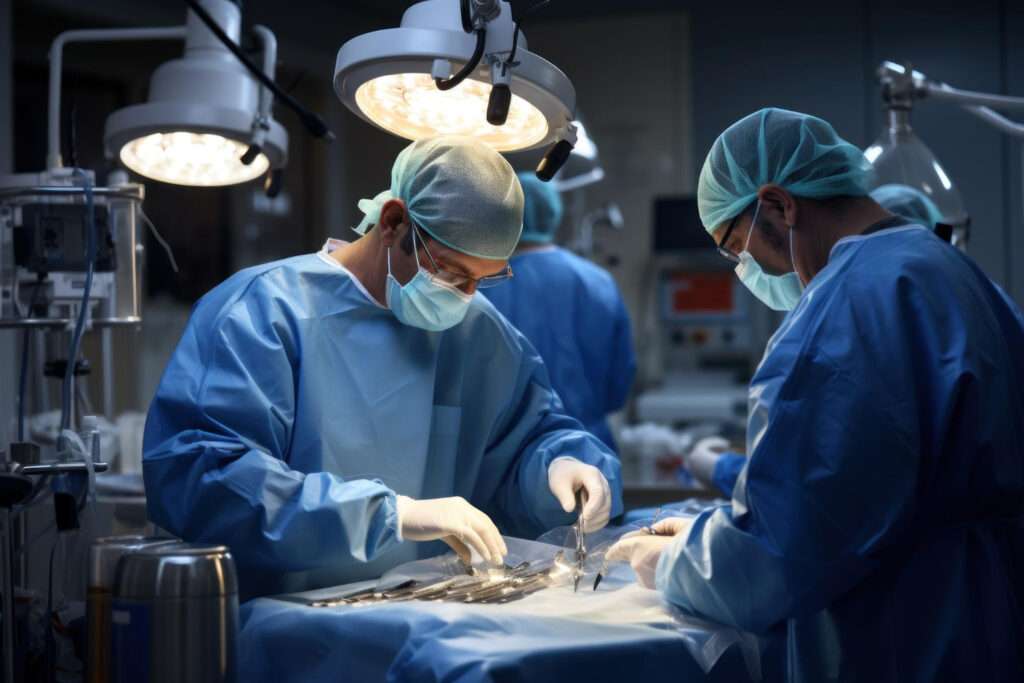
Advanced Hip Replacement Surgery at Orthomed Hospital: Comprehensive Care for Avascular Necrosis Orthomed Hospital is considered the best hospital in Hisar, reputed to offer the best orthopaedic and neurological treatment. Our talented orthopaedic surgeons have complete command over ailments such as avascular necrosis (AVN) of the hip, employing the latest medical technology for total care. Recognized as the best hospital in Hisar, we are dedicated to delivering personalized care with principles of hip preservation and hip replacement. Our skilled surgeons provide optimal rehabilitation, enabling patients to recover from joint pain, immobility, and serious conditions and enhance their quality of life. Knowing Avascular Necrosis (AVN) of the Hip Avascular necrosis, or AVN, is a disease that decreases the supply of blood to the hip bone and causes the accumulated death of bone cells. Eventually, this will result in the collapse of joints and arthritis. Patients with AVN usually experience: Pain in the hip or groin area that is recurrent. Stiffness and restricted range of motion. Inability to stand or walk for extended periods. Weight-bearing activity that makes them hurt more. Our orthopaedic doctors in Hisar at Orthomed Hospital have early diagnosis and tailored treatment plans to prevent disease advancement and restore joint function Avascular Necrosis Treatment The treatment of AVN is based on the stage of the disease. If it comes in the early stage, then non-surgical treatment can be done, but for progressed stages, operations such as hip replacement would be needed. We give all types of treatment methods in our fracture and orthopedic specialty center, which are explained below: 1. Non-Surgical Treatment of Early AVN Medications: Anti-inflammatory drugs and osteoporosis drugs prevent disease progression. Physical Therapy: Exercise of joint motion and pain alleviation. Dietary Modifications: Weight loss and activity restriction to reduce hip stress. 2. Core Decompression Surgery: Our specialists in early AVN can recommend core decompression surgery, a minimally invasive procedure to re-establish the circulation of blood to the damaged bone. This surgery decreases pain or even eliminates the necessity for total hip replacement. 3. Hip Replacement Surgery in Advanced AVN: If AVN advances to grade 3 or 4, the bone degenerates and the joint is severely damaged, hip replacement surgery is the most suitable option. Orthomed Hospital, known as the best hospital in Hisar, employs the most modern surgery techniques to deliver precise and long-term results. Advanced Surgical Procedures at Orthomed Hospital We also offer the most advanced hip and knee replacement surgery. Our orthopaedic doctors in Hisar, with their experience, use the most advanced technology, such as robotic-assisted hip replacement, to offer unmatched precision and accuracy. We also use 3D navigation technology for better implant placement and minimally invasive surgery (MIS) to minimize pain and recovery time. We combine these technologies to help patients recover faster, hurt less, and be back on their feet. Post-Surgery Care and Rehabilitation At Orthomed Hospital, we believe that successful hip replacement is not merely surgery—it’s giving patients confidence and strength back to their daily lives. We provide a fully integrated rehabilitation protocol with guided physical therapy sessions in an effort to achieve stronger muscle, greater flexibility, and better mobility. For a smooth recovery, we emphasize personalized methods of pain management to ensure that the recovery process is comfortable. We offer follow-up care so that we can monitor improvement, allay fear, and provide reassurance at all times so that the patient can recover comfortably and return confidently to his or her normal routine. Why Orthomed Hospital for Hip Replacement Surgery? Orthomed Hospital is recognized as the best hospital in Hisar and has made a reputation for delivering the best orthopaedic and neurosurgery treatment. Reasons why patients prefer us for treatment are as follows: Expert Experts: We boast some of the finest orthopaedic doctors in Hisar with extensive years of experience in hip replacement surgeries. State-of-the-Art Infrastructure: We are a Fracture and Orthopaedic Speciality Centre, backed by state-of-the-art surgery and diagnostic equipment. Patient-Centric Care: Our expertly designed treatment plans focus on patient well-being. Round-the-Clock Care: From diagnosis to rehabilitation, start-to-finish medical care for hip and joint disorders. Conclusion At Orthomed Hospital, our interest lies in providing patients afflicted with hip disorders like avascular necrosis with the finest available treatment. With our skilled staff of experts and fully equipped modern medical premises, we have reckoned as the best hospital in Hisar for orthopedic as well as neurosurgical care. Right from the latest preservation techniques for hips to total hip replacement, attention to detail and individual care are what all our patients are provided with. With the latest technology and minimum invasive techniques, we emphasize speedy recovery and sustainable results. Our patient-specific rehabilitation programs enable patients to restore their mobility and enhance their quality of life. If you are near one or you are suffering from hip pain or joint disorders, rely on Orthomed Hospital for the finest orthopedic services in Hisar. Don’t let hip or joint pain stop you—book a consultation with the best doctors in Hisar today! Popular Post Understanding the Link Between Menopause and Bone Health in Women The Role of Robotics in Modern Orthopedic Surgery Plastic Surgery Post-operative care for neurosurgery patients: A Comprehensive Guide Surgical & Non-Surgical Trеatmеnts for Bonе Fracturе
Why Early Diagnosis of Bone Diseases Can Save Your Mobility?

Why Early Diagnosis of Bone Diseases Can Save Your Mobility? Bone diseases are one of the major problems in the country. There are several reasons for this, like poor diet and lack of proper exercise. Many bone diseases, like osteoporosis, arthritis and degenerative disc disease, can progress without your acknowledgement. The silent disease can affect your joint’s health without any symptoms in its early stages. This hideous nature makes them very important to detect in the early stage. Suppose you identify the condition at an early stage. In that case, you can take an active step, like finding the best orthopaedic doctor in Hisar to consult to manage the damage and enjoy an independent life. Understanding the Nature of Bone Diseases Bone diseases are categorised into two categories: acute and chronic. Acute bone disease has severe and immediate symptoms like factors and infection with severe pain and inflammation. Chronic bone disease develops gradually without subtle symptoms in the early stages. They are known as silent progressive diseases. These include osteoporosis, a decreasing bone density that makes it fragile, and osteoarthritis, a degenerative joint disease that can cause pain, stiffness and limited motion. Osteoporosis arises from an imbalance in bone remodelling, the continuous process of bone breakdown and rebuilding. In this disease, bone resorption (breakdown) by cells called osteoclasts outpaces bone formation by cells called osteoblasts. This imbalance leads to decreased bone density, making bones fragile and susceptible to fractures. Osteoarthritis results from the breakdown of cartilage, the smooth, cushioning tissue that covers the ends of bones in joints. This breakdown leads to bone-on-bone contact, causing pain, stiffness, and limited range of motion. It is important to go for a good orthopaedic doctor in Hisar if you encounter any unusual symptoms. How Bone Diseases Impact Mobility Over Time In osteoporosis, the bones start to feel weak because they are prone to fractures, especially to the hips, spines and wrists. The movement will become limited, and it affects posture and balance. The bone density starts to lose, and the risk of fractures increases after years. In osteoarthritis, the cartilage gradually destroys the cushion joints, and they become stiff and painful. It causes a limited range of motion, and bending becomes challenging. In the later stages, the stiffness increases with pain. Osteomyelitis starts with fever and localised pain and increases with potential bone deformity to chronic infection and loss of bone and limb function. Key Symptoms You Should Never Ignore When you are suffering any pain in your joint or bone, you should never ignore some of the major symptoms as recommended by the best neurosurgeon in Hisar. If you are experiencing persistent mild pain that keeps on coming even after rest, there could be some underlying issues. You should never ignore this symptom. The difficulty in bending, twisting, and lifting indicates joint stiffness and damage that should never be ignored. If you are having swelling or redness, especially around the joint area, it could be a warning of inflammation. The fractures are frequent even with minor falls; it is a clear sign of weak bones. Under these conditions, you should contact the best orthopaedic doctor in Hisar to get your checkup for any bone disease. If you keep on waiting, the symptoms will become worse, and it can cause irreversible damage as the disease progresses. Diagnostic Tools and Techniques for Early Detection These are some diagnostic tools and techniques for the early detection of bone disease. Bone density scan: These scans use a low dose of X-ray to move the major minimum density of bone. X-rays: They are also very beneficial in revealing factors of joint space narrowing and other structural abnormalities in bones. MRI scans: They provide images of tissues and cartilage to detect arthritis problems and other degenerative disc diseases. Blood tests can help to identify infection markers that can indicate osteomyelitis. In the early stages, it is easy to treat bone disease, but later on, it becomes more problematic. It is recommended by the best orthopaedic doctor in Hisar that regular screening is necessary for early detection for individuals who are 40 or older. The Role of Lifestyle and Genetic Factors in Bone Health These are some factors that play an important role in bone health, according to the best hospital for knee replacement. One of these factors is genetic predisposition. The history of bone disease in the family can increase the risk in individuals. The other thing, like lifestyle, can also affect the risk. If your diet doesn’t have a sufficient amount of vitamin D and calcium, the bone eventually gets weak because, after a certain age, the bone starts to disintegrate and needs calcium and vitamin D to stay in good shape. A lazy lifestyle without any weight-bearing exercise can affect bones. Alcohol consumption and smoking also increase the risk of bone loss and fractures because they contribute to bone disintegration. Tips for Preventive Bone Health Screenings It is very important to go for regular full-body checkups to find any abnormal symptoms in the body and treat them on time. Especially for bone disease that doesn’t show early stage, but for some cases, it becomes more important to check up on their bone health. Individuals who are above the age of 40 should get themselves checked for osteoporosis. Postmenopausal women can experience bone density loss because of hormonal changes, so they should get screened for bone disease regularly. If the individual has a history of osteoporosis in the family, they should get screened regularly. The frequency of screening will depend on the recommendation of the best orthopaedic doctor in Hisar. With proactive checkups, you can manage the disease with preventive care. Conclusion Early diagnosis of bone diseases is not just about preventing fractures; it’s about preserving your quality of life. Recognising early warning signs, such as persistent joint pain, reduced range of motion, and unexplained fractures, is crucial. Regular health screenings, especially for individuals over 40 or those with risk factors, allow for early detection and
The Best Foods and Exercises to Protect Bone Health During Menopause

The Best Foods and Exercises to Protect Bone Health During Menopause Menopause is a significant part of a woman’s life where she feels hormonally shaped because of a decline in estrogen production. Estrogen is very important in bone health, especially maintaining bone density. It increases the risk of osteoporosis and requires visiting an orthopaedic doctor in Hisar. During menopause, keeping the nutrition on point with rich bone-building nutrients in your diet is important. It will help to keep your energy on point during the hormonal shift in life. Understanding Bone Health During Menopause Estrogen plays a very important role in maintaining bone health. Estrogen helps in preventing the breakdown of old bone tissue and promotes the formation of new bones in women. The estrogen drop in menopause can increase bone reabsorption and accelerate the breakdown. In this condition, the body struggles to rebuild tissue of bone effectively. In osteoporosis or osteopenia, the bone density becomes lower than normal, while in the other, the decreased bone density can cause a lot of fractures. With early detection, we can make dietary changes, exercise and weight management to slow down the process. You can start certain medicines as well after consulting with the best orthopaedic doctor in Hisar. Best Foods for Bone Health During Menopause According to an orthopaedic doctor in Hisar, these are some foods that will help to maintain bone health during menopause. Dairy products, milk, yoghurt, cheese, and leafy green vegetables like spinach and kale are rich sources of calcium. Other plant-based milk, orange juice, cereals, almond tofu, and sardines are also rich in calcium. Sun exposure for 10 to 15 minutes will help to produce vitamin D. You can include fatty fish like salmon, mackerel and tuna for vitamin D. Egg yolk milk cereals and other vitamin D supplements may help to boost it. Your bones require an appropriate amount of protein from high-quality protein sources, which include poultry and fish alongside beans, lentils, eggs, dairy products and lean meat. Dairy products contain phosphorus, but leafy vegetables, together with nuts and seeds, provide magnesium. Meat, poultry, fish, beans and lentils are great. Certain foods that contain excessive amounts of sodium should be avoided along with alcohol and smoking. Exercises for Strong Bones During Menopause These are some good exercises to keep your bones strong during menopause recommended by the fracture and orthopaedic speciality centre. Walking, hiking, jogging, and stair climbing: These activities create stronger bones and improve lower body strength. Weightlifting and resistance bands help to perform weight training exercises that target bigger muscle tissues that reinforce joints alongside bones. Yoga and Pilates are balance-based exercises that will help you stay steady on your feet while lowering your chance of slips and accidents. Planks, bridges, and abdominal exercises enhance spinal and postural stability. Lifestyle Habits to Support Bone Health For healthy bone flexibility, you should consume an adequate water intake throughout your daily food. Smoking along with drinking heavily should be avoided because both forms of substance use prevent proper calcium absorption from occurring but cause significant harm to the body during this vital life stage. It will increase the risk of fracture by decreasing the bone density. Over time it is very important to go for regular health checkups and bone density scans, especially after you experience the symptoms of menopause. Early Screening and Medical Intervention Bone density scans (DEXA scans) are the most accurate method for measuring bone density. Supplements like calcium and vitamin D play a very important role in bone health. After consulting with the best orthopaedic doctor in Hisar, you can take them under their supervision with appropriate doses after a blood test. When to consult an orthopaedic specialist If you are experiencing persistent pain in your joint stiffness or swelling that keeps coming back. When you get a minor injury or trauma, you experience fractures. If you feel any change in your mobility or difficulty in performing regular tasks, you should consult a specialist. If you have a previous history of osteoporosis, a bone disorder in your family, you should consult an orthopaedic specialist, especially after menopause. Common Myths About Bone Health During Menopause Myth 1: Bone health becomes a concern only when individuals reach their senior years. Reality: As a person reaches midlife, their bones start to demonstrate declining health. Women aged 40 to 50 need to take formal measures now to safeguard their bone structure. Myth 2: The sole use of supplements holds the potential to make your bone health better. Reality: Supplements represent a minimal portion of the essential efforts for bone health. For maximum bone health, patients need to follow a proper diet combined with regular exercise and sustain a healthy lifestyle. Myth 3: Exercise is not a safe thing for menopausal women.Reality: Regular exercise, especially weight-bearing and strength training, is essential for maintaining bone density and reducing the risk of fractures. Practical Daily Bone Health Routine for Menopausal Women Balanced Diet: A balanced diet is very important, especially for women going through the menopausal stage. They should have a breakfast that is rich in calcium and vitamin D, like good berries, granola, milk and other rich sources. Idli dosa with sambar chutney, poha with sprouted moong, or lassi can also be a good option for breakfast. Rice, lentils and veggies like spinach and methi have a huge amount of protein, calcium and vitamin D. Other choices like chicken, fish and mixed vegetable stir fry will also satisfy the need for vitamins and nutrients in the body. Vegetable biryani, dal makhani and general vegetable soup with grilled fish or whole wheat bread are great options for dinner. It is good to munch on things like roasted makhana almonds, walnuts and low-fat yoghurt with fruit. You can always sprout moong dal or chana chat. The small snack will help to maintain the blood sugar level and keep the blood pressure in check. Exercise Schedule: It is very important to go on a 30-minute walk or jog daily or
How Orthomed Hospital is Leading the Way in Advanced Orthopaedic Care

How Orthomed Hospital is Leading the Way in Advanced Orthopaedic Care Modern mobility problems, including joint degeneration and injuries, combined with chronic conditions necessitate new orthopaedic care. With the combination of technological innovation, medical expertise, and patient-focused care, Orthomed Hospital has emerged at the forefront of resolving such challenges. Orthomed is the best hospital in Hisar. It offers new standards for orthopaedic treatment and acquires brilliant results from simple procedures and intricate surgeries. Through multidisciplinary, state-of-the-art facilities, the best possible care reaches the patient. A beacon of innovation and trust, Orthomed shines as the best hospital in Hisar. Let’s dig into how this hospital is transforming orthopaedic care for good. Cutting-edge Technology in Orthopaedics Orthomed Hospital has transformed the orthopaedic landscape with high-tech services. We house robotic-assisted surgical systems, ensuring joint replacement surgeries with utmost precision. Such systems ensure that a personalised surgical plan can be given to every patient based on his or her anatomy to decrease recovery times and enhance mobility results. Additionally, CT scans and MRIs are highly advanced imaging equipment that provide precise diagnostics that result in prompt interventions and improved treatment strategies. Minimally invasive surgical techniques have become a hallmark of Orthomed’s approach to care. These procedures reduce complications and promote faster recovery and minimal scarring, ensuring that patients confidently return to their daily lives. By embracing technological advancements, Orthomed cements its reputation as the best hospital for knee replacement, offering patients a seamless and effective treatment experience. Specialised Treatment Programs Orthomed Hospital offers a multitude of specialised orthopaedic treatment programs to help cater to all patient needs and requirements: Surgical Joint Replacement: The best orthopaedic doctor in Hisar performs knee, hip, and shoulder replacements with accuracy. Sports Injuries Rehabilitation Program: We provide rehabilitation programs for athletes to get them back on top of the game. Surgeries and treatment for Spinal Conditions: Treatments for some complex spinal conditions and disorders. Trauma and Fracture Management: Fracture and injury care; establishing Orthomed as a leader in fracture and orthopaedic speciality centres. These programs are designed to provide effective and personalised care, ensuring optimal outcomes for every patient. Expert Medical Team Orthomed’s success is anchored by qualified and professional orthopaedic surgeons, physiotherapists, and rehabilitation experts. Having performed challenging procedures in the past, these surgeons will handle even the most challenging cases with care and years of expertise. More professionalism and sensitivity, combined with state-of-the-art procedures, call for further strengthening Orthomed’s reputation and confidence. Continuous training and skill development are integral to Orthomed’s philosophy. We are committed to the professional development of our employees so that it can be assured that they will be at the forefront of all medical revolutions worldwide. Step-by-Step Process of Robotic Knee Replacement Step 1: Pre-Surgical Planning and Mapping Preoperatively, 3D maps of the knee joint are obtained through advanced imaging techniques, such as CT scans, to guide preoperative planning for the surgeon. Step 2: Intraoperative Robotic Support During the surgical procedure, real-time data is available to guide the surgeon’s movement. The robotic system ensures the accurate cutting of bones and positions the knee implant with great accuracy. Step 3: Implant Positioning The robotic system accurately aligns the artificial joint for the utmost function and comfort. Step 4: After Surgery Verification After placing the implant, final verification takes place by the robotic system that the knee aligns perfectly, minimising the chance for complications. Comprehensive Patient-Centric Care Orthomed puts the patient at the centre of everything. We offer comprehensive support for patients, from diagnosis through recovery. To guarantee comprehensive recovery, a multidisciplinary team works with the patient to cater to their physical, emotional, and psychological requirements. Transparency and education form the main bases of Orthomed’s patient-centric model. Patients are given knowledge of their conditions and treatment options, thereby helping them make self-assured decisions. Such emphasis on comfort and clarity has further strengthened Orthomed’s position as the best hospital in Hisar, where the concern is not limited to treating a patient but for every individual’s betterment. Innovation in Post-Surgical Rehabilitation We recognise that successful recovery doesn’t end in the operating room. We use the most modern physiotherapy techniques to rehabilitate post-surgical patients so they effectively regain mobility and strength. To optimise the results, changes are performed and progress is tracked using advanced tools and procedures. We have a rehabilitation program tailored to every patient’s needs, thus speeding up the recovery period and keeping it free from complications. Through orthopaedic innovation and individualised rehabilitation, Orthomed gained its position as the best hospital for knee replacement and offers a comprehensive orthopaedic service. Focus on Preventive Orthopaedic Care Prevention is Orthomed’s core approach to health care. We focus on early screening and routine check-ups to maintain bone and joint health. Awareness campaigns and community initiatives like health camps offer valuable education and resources to promote preventive care. These efforts emphasise the importance of proactive measures to avoid severe orthopaedic issues. Orthomed also offers patient education programs covering lifestyle changes and exercises that can strengthen bones and joints. Our activity in fostering a culture of prevention improves the health conditions of the individual and the community. Commitment to Research and Education Orthomed’s commitment to research and education contributes to continued progress in orthopaedic care. We often collaborate with numerous research organisations and attend various medical conferences. This makes it possible for us to implement every new development, providing patients with the best medical care possible. Orthomed also provides training programs and workshops for medical professionals, which ensures continuous knowledge and expertise exchange. In addition to enhancing capabilities, we strengthen our position as the best fracture and orthopaedic speciality centre and a centre for high-quality healthcare. Conclusion Orthomed Hospital is changing the orthopaedic landscape with advanced technologies, highly trained medical teams, and a patient-first approach. As the best hospital in Hisar, we provide the most advanced treatment options available, including programs tailored to individual needs. Whether you need the best neurosurgeon in Hisar or excellent post-operative rehabilitation, we provide trusted, state-of-the-art solutions for optimal mobility and health. Committed to innovation,