Shoulder pain is something many people dismiss as tiredness or a pulled muscle. But when the pain keeps coming back — especially during certain movements — it could be a sign of a rotator cuff problem. At Orthomed Hospital Hisar, shoulder injuries are among the most commonly treated conditions, and early diagnosis makes all the difference.
Understanding the Rotator Cuff
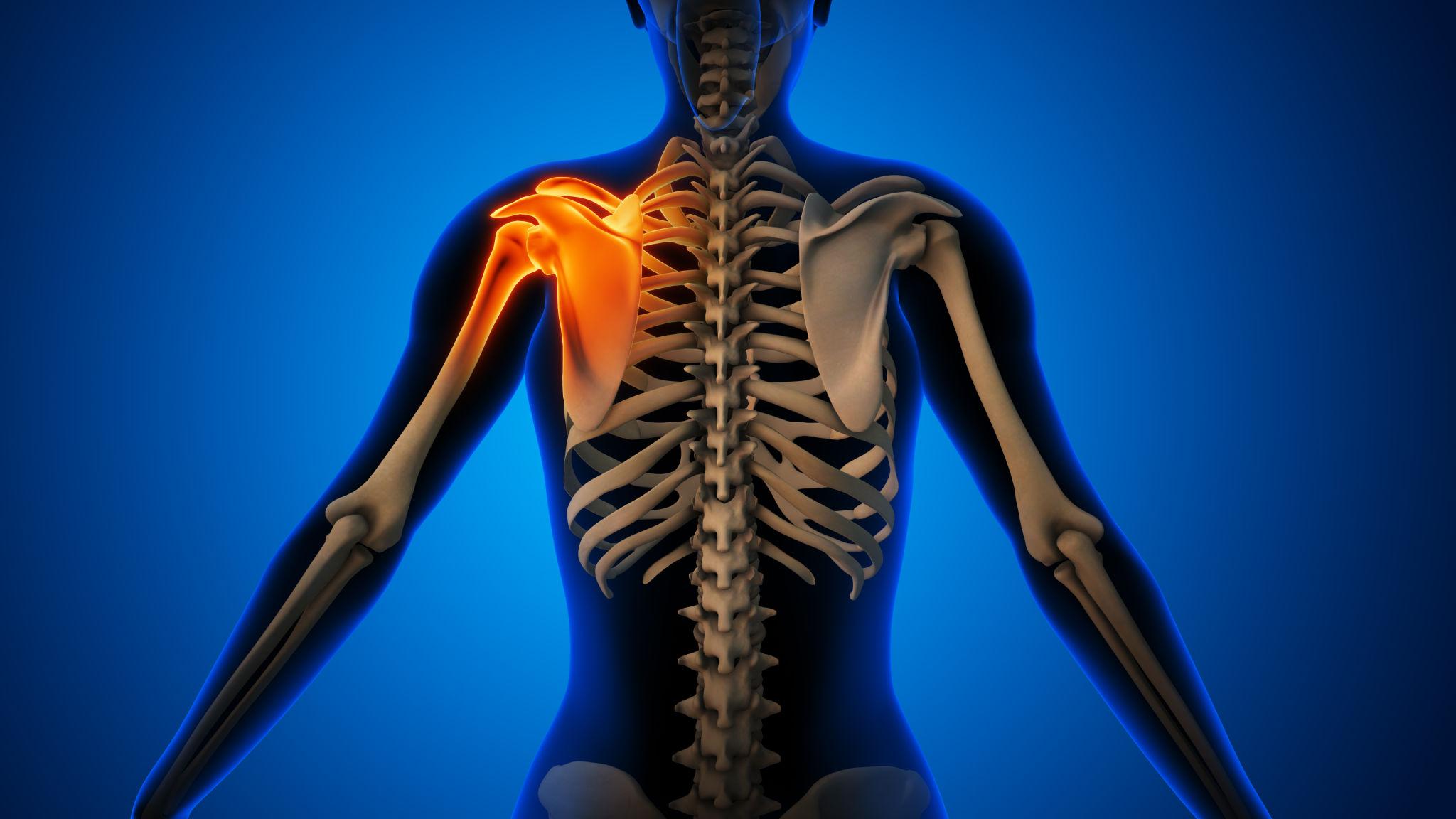
The rotator cuff is a group of four muscles and their tendons that surround the shoulder joint. Together, they keep the head of your upper arm bone firmly within the shallow socket of the shoulder. The rotator cuff allows you to lift your arm, rotate it, and perform overhead movements.
When these tendons are damaged — either through injury or wear and tear — it causes pain, weakness, and limited shoulder movement.
Common Causes of Rotator Cuff Injury
Rotator cuff injuries can happen to anyone but are more common in:
- People over 40 due to age-related degeneration
- Athletes who perform repetitive overhead movements (cricketers, swimmers, badminton players)
- Manual workers who regularly lift heavy loads
- Those who have had a fall on an outstretched arm
Injuries range from mild inflammation (tendinitis) to partial or complete tears of the tendon.
Signs You May Have a Rotator Cuff Problem
Watch out for these warning signs:
- A dull ache deep in the shoulder that worsens at night
- Difficulty lifting your arm above your head • Weakness when reaching behind your back
- A crackling or popping sensation during shoulder movement
- Pain when sleeping on the affected shoulder
- Difficulty carrying objects or performing basic daily tasks
If you have been experiencing any of these symptoms for more than two weeks, it is time to see an orthopedic specialist.
How Is It Diagnosed?
At Orthomed Hospital Hisar, diagnosis begins with a thorough physical examination and a review of your symptoms. Imaging tests such as X-rays and MRI scans help determine the exact nature and extent of the injury, whether it is tendinitis, bursitis, a partial tear, or a complete rupture.
Treatment Options at Orthomed Hospital Hisar
Treatment depends on the severity of the injury:
- Mild injuries are often treated with rest, anti-inflammatory medication, and physiotherapy
- Moderate injuries may benefit from corticosteroid injections and a structured exercise programme
- Severe tears—especially complete ruptures—typically require arthroscopic or open surgery to repair the tendon
Our shoulder pain specialists at Orthomed Hospital Hisar will guide you to the most suitable treatment based on your age, activity level, and the extent of the damage.
Shoulder pain is not something you should “live with.” Whether it is a minor strain or a significant rotator cuff tear, early treatment gives you the best chance of a full recovery. Visit Orthomed Hospital Hisar for an expert shoulder assessment today.