
How Joint and Hip Surgery Can Improve Your Quality of Life
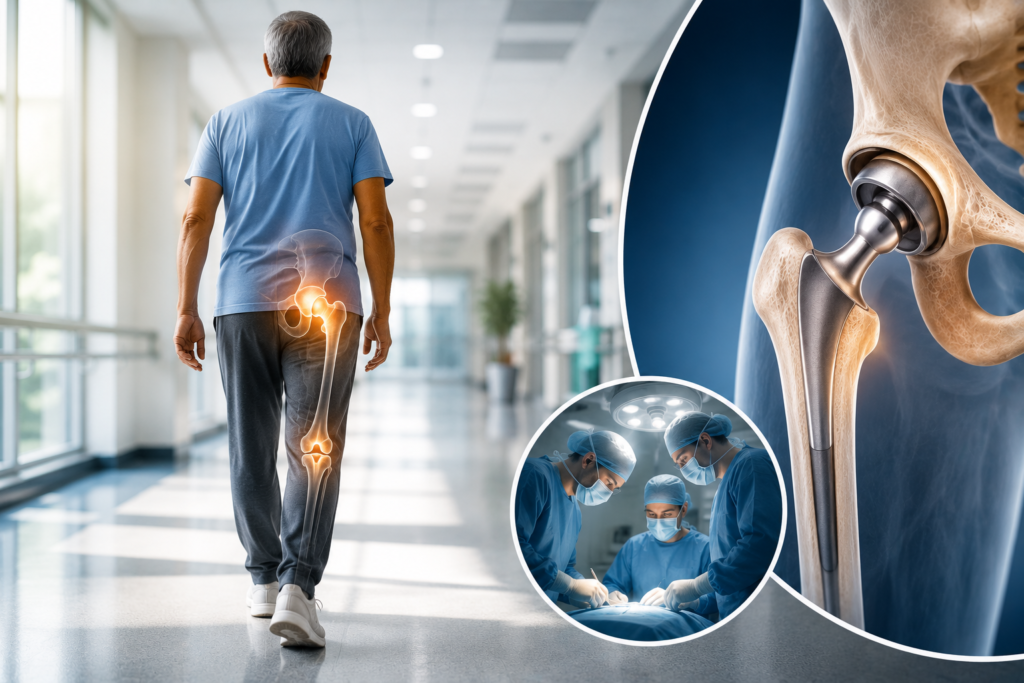
How Joint and Hip Surgery Can Improve Your Quality of Life Chronic joint pain does not just affect your body — it affects your sleep, your mood, your relationships, and your ability to do the things you love. Many people endure years of pain, limiting their lives more and more, before considering surgery. At Orthomed Hospital Hisar, we see the transformation that joint and hip surgery brings to patients’ lives every single day. This blog is about what that transformation really looks like. The True Impact of Chronic Joint Pain Living with severe joint or hip pain is profoundly limiting. Patients describe: Being unable to walk more than a few steps without stopping Not being able to sleep through the night because of pain Giving up hobbies, travel, and social activities Relying on family members for basic tasks Feeling isolated, frustrated, and depressed Taking increasing amounts of pain medication with diminishing effect This is not just physical suffering — research consistently shows that chronic pain leads to higher rates of depression, anxiety, and social withdrawal. Joint and hip surgery addresses the root cause of this suffering. What Joint and Hip Surgery Can Achieve The outcomes of joint replacement surgery — particularly hip and knee replacement — are among the most consistently successful in all of medicine. Studies show that: Over 90% of patients report significant or complete pain relief after joint replacement The majority return to normal daily activities within 6 to 12 weeks Sleep quality improves dramatically within weeks of surgery Many patients are able to reduce or eliminate pain medications entirely Depression and anxiety scores improve significantly following pain relief Physical activity levels increase substantially in the year following surgery Specific Benefits of Hip Replacement Hip replacement is consistently ranked as one of the most life-changing surgical procedures available. Specific improvements include: Freedom from the deep, constant groin and thigh pain of hip arthritis Ability to walk without a limp for the first time in years Returning to activities such as swimming, cycling, and light hiking Ability to put on shoes and socks independently — a task that becomes impossible with severe hip arthritis Restored ability to sit comfortably in chairs and travel long distances Better posture and balance as a result of a properly functioning hip joint How Robotic-Assisted Surgery Improves Outcomes at Orthomed Hospital Hisar At Orthomed Hospital Hisar, robotic-assisted joint replacement technology offers significant advantages over conventional surgery: The implant is positioned with greater precision, resulting in better joint mechanics Correctly aligned implants last longer—reducing the likelihood of revision surgery Patients experience less post-operative pain and faster recovery The risk of complications such as dislocation is reduced Robotic assistance does not replace the surgeon’s skill—it enhances it, allowing consistently excellent results for every patient. Who Is a Good Candidate for Surgery? You may be a good candidate for joint or hip replacement surgery if You have severe arthritis confirmed on X-ray Pain significantly limits your daily activities and quality of life Conservative treatments, including physiotherapy and injections, have not provided adequate relief Your overall health is suitable for surgery You are committed to completing the post-operative rehabilitation program. Age alone is not a barrier. Orthomed Hospital Hisar performs joint replacement surgery for patients aged 50 to 80, with excellent results across all age groups. Patient Perspectives: What Life Looks Like After Surgery At Orthomed Hospital Hisar, patients regularly describe their surgery as one of the best decisions they ever made. Common themes include: Sleeping through the night without pain for the first time in years Being able to attend a child’s or grandchild’s wedding and dance at the celebration Returning to morning walks and recreational activities, they had given up Feeling like themselves again — not defined by their pain The surgery restores not just the joint—it restores independence, confidence, and joy. If chronic joint or hip pain is stealing the quality from your life, surgery may be the answer you have been waiting for. At Orthomed Hospital Hisar, our joint replacement specialists will assess your condition honestly and guide you to the right solution. Book your consultation today—because you deserve to live without pain. Popular Post Understanding the Link Between Menopause and Bone Health in Women The Role of Robotics in Modern Orthopedic Surgery Plastic Surgery Post-operative care for neurosurgery patients: A Comprehensive Guide Surgical & Non-Surgical Trеatmеnts for Bonе Fracturе
Spine Surgery for Scoliosis: Treatment and Recovery
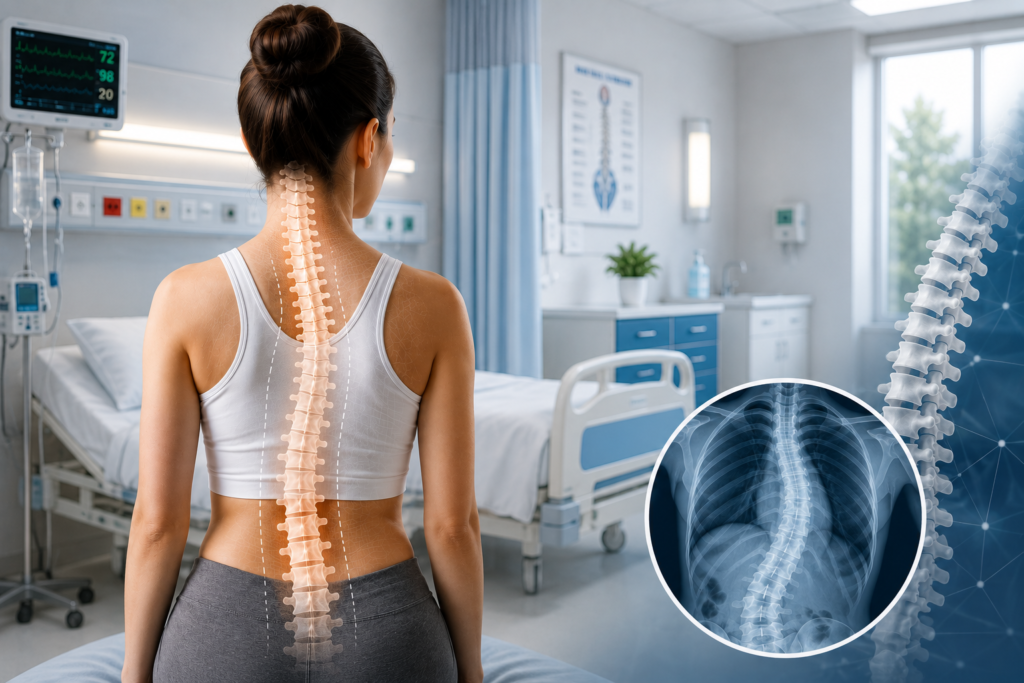
Spine Surgery for Scoliosis: Treatment and Recovery A curved spine is not just a cosmetic concern — in moderate to severe cases, scoliosis can cause pain, restrict breathing, and progressively worsen without treatment. At Orthomed Hospital Hisar, our spine specialists manage scoliosis across all ages and severity levels, using both non-surgical and surgical approaches to restore alignment and improve quality of life. What Is Scoliosis? Scoliosis is an abnormal lateral (sideways) curvature of the spine. When viewed from behind, a healthy spine runs straight down the center of the back. In scoliosis, the spine curves into a C or S shape. The condition may also involve rotation of the vertebrae, causing the rib cage to protrude on one side. Scoliosis is measured by the Cobb angle, the degree of curvature on an X-ray. Curves below 20 degrees are mild, 20 to 40 degrees are moderate, and above 40 degrees are severe. Types and Causes of Scoliosis Idiopathic scoliosis (most common): No known cause. It most often develops in adolescent girls during the growth spurt before puberty. Can also occur in infants and younger children. Congenital scoliosis: Caused by abnormal vertebral development before birth Neuromuscular scoliosis: Secondary to conditions such as cerebral palsy, muscular dystrophy, or spinal cord injury Degenerative scoliosis: Develops in adults due to age-related disc and joint degeneration Secondary scoliosis: Due to leg length discrepancy, tumours, or infection Non-Surgical Treatment Options Not all scoliosis requires surgery. For mild curves (under 20 degrees), regular monitoring with periodic X-rays is recommended to watch for progression. For moderate curves (20 to 40 degrees) in growing children, bracing is the primary non-surgical treatment. A rigid brace worn for 16 to 23 hours a day can prevent curve progression in many cases—it does not straighten the existing curve but stops it from worsening. Physiotherapy and specific scoliosis exercises (such as the Schroth method) help improve posture, reduce pain, and strengthen the muscles supporting the spine. When Is Surgery Recommended? Surgery for scoliosis is typically recommended when: The curve is greater than 40 to 50 degrees and is still progressing The curve is causing or threatening to cause breathing problems Pain is severe and not manageable with conservative treatment The deformity is causing significant cosmetic distress and impacting the quality of life Non-surgical measures have failed to control progression At Orthomed Hospital Hisar, surgery is always a carefully considered decision made after thorough evaluation. Spinal Fusion Surgery for Scoliosis The most common surgical treatment for scoliosis is spinal fusion. The procedure involves: Correcting the curve using metal rods, screws, and hooks attached to the vertebrae The bones of the curved segment are then fused together using bone graft material Over time (usually 3 to 6 months), the vertebrae fuse into a solid bone, permanently holding the spine in its corrected position Modern spinal fusion at Orthomed Hospital Hisar, achieves significant correction of the curve, typically reducing it by 60 to 70% and preventing further progression. Navigation and imaging technology allow our surgeons to place hardware with exceptional precision. What Does Recovery Look Like? Recovery after scoliosis surgery is a gradual but well-supported process: Hospital stay: 4 to 7 days Walking: Begins within 1 to 2 days of surgery with support Return to school or light work: 4 to 6 weeks Return to non-contact sports: 6 to 12 months Full bony fusion: 3 to 6 months Physiotherapy is an essential part of the recovery process. Pain is managed with a structured medication plan and diminishes progressively over weeks. Scoliosis is a condition that responds best to early detection and expert management. Whether your curve requires monitoring, bracing, or surgery, Orthomed Hospital Hisar has the expertise and technology to deliver the best possible outcome. Book a spine assessment today and take the first step toward a straighter, healthier spine. Popular Post Understanding the Link Between Menopause and Bone Health in Women The Role of Robotics in Modern Orthopedic Surgery Plastic Surgery Post-operative care for neurosurgery patients: A Comprehensive Guide Surgical & Non-Surgical Trеatmеnts for Bonе Fracturе
Open vs. Minimally Invasive Spine Surgery: What’s the Difference?
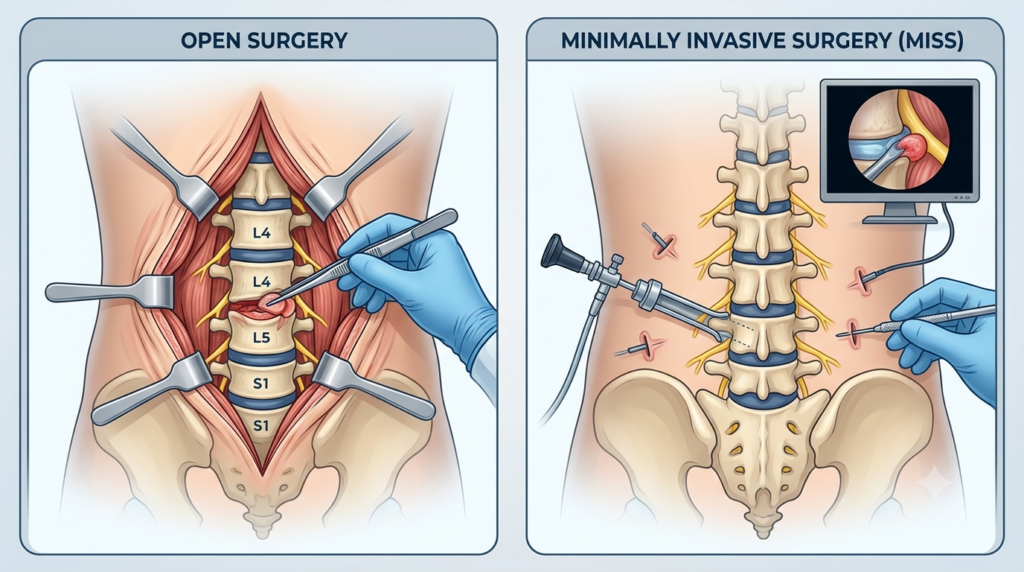
Open vs. Minimally Invasive Spine Surgery: What’s the Difference? If your doctor has recommended spine surgery, you may have heard the terms “open surgery” and “minimally invasive surgery”—and wondered what the difference actually means for you. At Orthomed Hospital Hisar, we believe patients should fully understand their surgical options before making a decision. Here is a clear, honest comparison. What Is Traditional Open Spine Surgery? In traditional open spine surgery, the surgeon makes a large incision (typically 5 to 15 cm) in the back or neck to directly access the spine. The muscles around the spine are moved aside or cut to provide a clear view of the vertebrae, discs, and nerves. Open surgery has been the standard approach for decades and remains the preferred technique for certain complex spinal conditions. It gives the surgeon a wide, direct view of the surgical area, which is critical for complicated procedures. What Is Minimally Invasive Spine Surgery (MISS)? Minimally invasive spine surgery uses small incisions—typically 1 to 2 cm—and specialized instruments, including a tube (retractor) that gently separates rather than cuts the muscles. A tiny camera (endoscope) or a surgical microscope projects a magnified image of the spine onto a screen, guiding the surgeon. The goal is the same as open surgery—to decompress nerves, stabilize the spine, or remove damaged disc material—but through a much smaller entry point. Key Differences at a Glance Incision size: Open surgery: 5 to 15 cm Minimally invasive: 1 to 2 cm Muscle damage: Open surgery: Significant muscle retraction or cutting required Minimally invasive: Muscles are gently separated, not cut Blood loss: Open surgery: Greater blood loss, occasional transfusion needed Minimally invasive: Significantly less blood loss Hospital stay: • Open surgery: 3 to 7 days Minimally invasive: Often 1 to 2 days, sometimes same-day discharge Recovery time: Open surgery: 4 to 8 weeks Minimally invasive: 1 to 4 weeks for most activities Risk of infection: Open surgery: Slightly higher due to a larger wound Minimally invasive: Lower risk Post-operative pain: Open surgery: More significant, longer-lasting Minimally invasive: Less pain, reduced need for strong pain medication When Is Minimally Invasive Surgery Appropriate? MISS is well-suited for: Lumbar disc herniation (slipped disc) Spinal stenosis (nerve compression) Degenerative disc disease Vertebral fractures requiring stabilization Certain spinal tumours and infections Single-level spinal fusion At Orthomed Hospital Hisar, our spine surgeons assess each patient individually to determine whether a minimally invasive approach is appropriate. When Is Open Surgery Still the Better Choice? Open surgery remains the preferred approach for: Complex multi-level spinal deformities such as severe scoliosis Revision surgery after a previous failed spinal procedure Large tumours requiring wide exposure Severe spinal instability requiring extensive reconstruction Cases where the surgeon needs maximum visibility and direct access The most important factor is not the size of the incision — it is whether the surgery achieves the right result for your specific condition. Which Is Right for You? The decision between open and minimally invasive surgery is made by your spine specialist at Orthomed Hospital Hisar based on the following: Your specific diagnosis and the level of spinal involvement The complexity of the surgery required Your age, overall health, and medical history Previous spine surgeries Your surgeon’s experience and expertise with each technique At Orthomed Hospital Hisar, both approaches are performed by experienced spine surgeons using advanced imaging and surgical technology. Both open and minimally invasive spine surgeries have their place—and the right choice depends entirely on your individual condition. At Orthomed Hospital Hisar, our spine specialists will walk you through every option and recommend what is truly best for you. Book a spine consultation today. Popular Post Understanding the Link Between Menopause and Bone Health in Women The Role of Robotics in Modern Orthopedic Surgery Plastic Surgery Post-operative care for neurosurgery patients: A Comprehensive Guide Surgical & Non-Surgical Trеatmеnts for Bonе Fracturе
What Is Cerebral Palsy? A Complete Guide for Parents

What Is Cerebral Palsy? A Complete Guide for Parents A diagnosis of cerebral palsy changes everything for a family overnight. Questions flood in—What caused this? Will my child walk? What help is available? At Orthomed Hospital Hisar, we understand that parents of children with cerebral palsy need clear, honest, and compassionate information. This guide answers the most important questions. What Is Cerebral Palsy? Cerebral palsy (CP) is a group of permanent movement disorders caused by damage to or abnormal development of the brain, most often occurring before, during, or shortly after birth. The word “cerebral” refers to the brain, and “palsy” refers to problems with movement and posture. CP is the most common childhood physical disability worldwide. It affects muscle tone, movement, and motor skills — but it is not progressive, meaning the brain damage itself does not worsen over time, although the effects on the body can change as the child grows. What Causes Cerebral Palsy? Cerebral palsy results from brain damage or abnormal brain development during a critical period. Common causes include: Oxygen deprivation during labour and delivery (birth asphyxia) Premature birth—the brain is more vulnerable in preterm infants Brain infections during pregnancy, such as rubella, cytomegalovirus, or toxoplasmosis Severe jaundice in the newborn period (kernicterus) Head injury in early infancy Stroke before or during birth Genetic factors In many cases, no single clear cause is identified. Types of Cerebral Palsy CP is classified based on the type of movement disorder: Spastic CP (most common — 70 to 80% of cases): Muscles are stiff and movements are awkward. It can affect one limb, one side of the body, or all four limbs. Dyskinetic CP: Uncontrolled, involuntary movements that can affect the hands, arms, feet, legs, and face. Ataxic CP: Problems with balance and coordination, resulting in an unsteady walk and difficulty with precise movements. Mixed CP: Features of more than one type, most commonly spastic and dyskinetic. The severity ranges from very mild (slight awkwardness in movement) to severe (requiring full-time assistance for all activities). Signs to Watch For in Your Child Early signs of CP often become apparent in the first 12 to 24 months of life: Delayed motor milestones—not sitting by 9 months, not walking by 18 months Abnormal muscle tone — either too stiff (hypertonia) or too floppy (hypotonia) Asymmetric movement—favoring one hand or one side of the body Persistent primitive reflexes beyond the expected age Feeding difficulties in infancy Seizures in the newborn period If you notice any of these signs, seek an early assessment at Orthomed Hospital Hisar. How Is Cerebral Palsy Treated? There is no cure for cerebral palsy, but a wide range of treatments significantly improve function, independence, and quality of life. At Orthomed Hospital Hisar, management is multidisciplinary and tailored to each child: Physiotherapy: The cornerstone of CP management — improving strength, balance, and movement patterns Occupational therapy: Developing fine motor skills and independence in daily activities Speech therapy: Addressing communication and swallowing difficulties Orthopaedic intervention: Managing spasticity, preventing deformities, and correcting contractures through splinting, casting, or surgery Botulinum toxin (Botox) injections: To temporarily relax spastic muscles and improve function Orthopaedic surgery: Tendon lengthening, muscle transfers, or deformity correction to improve walking and posture Assistive devices: Orthotics, walkers, wheelchairs, and communication aids What Can Parents Do? Parents are the most powerful members of their child’s care team. Early intervention makes the greatest difference. Key steps include: Begin therapy as early as possible; the infant’s brain has remarkable plasticity Follow the home exercise programme recommended by your physiotherapist consistently Connect with support groups and other CP families Keep all specialist appointments and track your child’s progress Celebrate every milestone, however little, progress in CP is real and meaningful A cerebral palsy diagnosis is not the end of the story—it is the beginning of a journey that, with the right support, leads to a fulfilling and purposeful life. At Orthomed Hospital Hisar, our pediatric orthopaedic and rehabilitation team is committed to walking that journey alongside you and your child. Reach out to us today. Popular Post Understanding the Link Between Menopause and Bone Health in Women The Role of Robotics in Modern Orthopedic Surgery Plastic Surgery Post-operative care for neurosurgery patients: A Comprehensive Guide Surgical & Non-Surgical Trеatmеnts for Bonе Fracturе
FNAC Test: Purpose, Procedure, Preparation, and Results
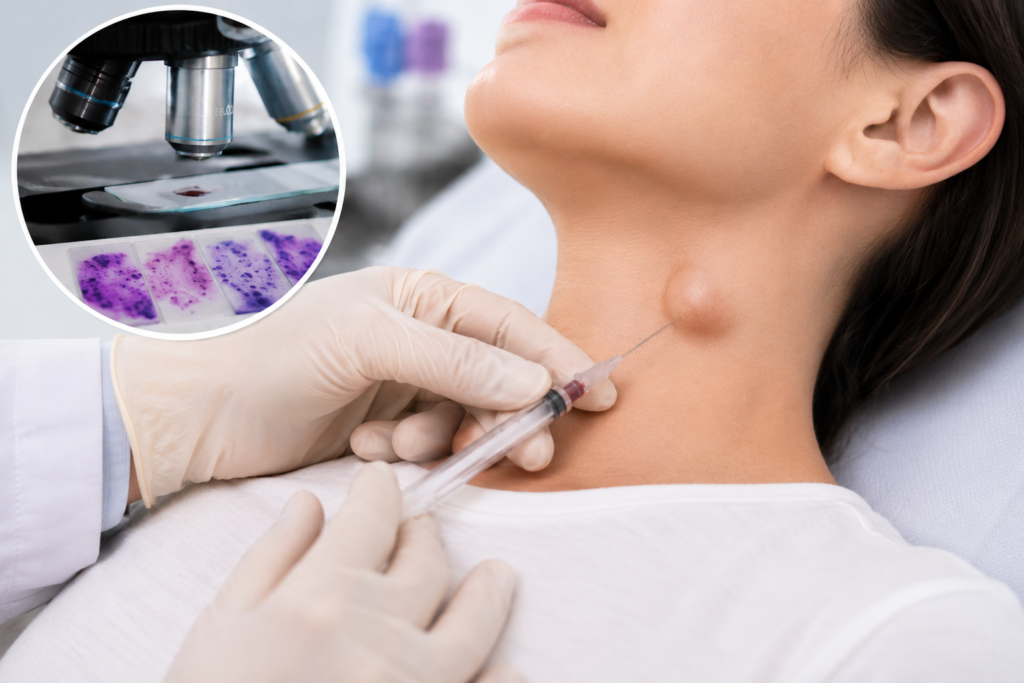
FNAC Test: Purpose, Procedure, Preparation, and Results If your doctor has advised an FNAC test, you may be feeling anxious, especially if you have noticed a lump somewhere in your body. Understanding exactly what the test involves takes away much of that fear. At Orthomed Hospital Hisar, FNAC is a routine, quick, and minimally invasive diagnostic procedure that provides crucial information to guide your treatment. What Is an FNAC Test? FNAC stands for Fine Needle Aspiration Cytology. It is a diagnostic procedure in which a thin needle is used to extract a small sample of cells from a lump, mass, or swollen lymph node. These cells are then examined under a microscope by a pathologist to determine whether the growth is benign (non-cancerous), malignant (cancerous), or inflammatory. FNAC is one of the simplest and most reliable first-line tests used to evaluate a lump anywhere in the body—most commonly in the neck, breast, thyroid, armpit, or groin. Why Is FNAC Done? FNAC may be recommended by your doctor at Orthomed Hospital Hisar for the following reasons: To evaluate a palpable lump in the neck, breast, thyroid, or any soft tissue To assess enlarged lymph nodes To investigate swellings of unknown cause To determine whether a mass is benign or malignant before planning surgery To diagnose infections, cysts, or abscesses To monitor known tumours for changes FNAC provides a diagnosis without the need for a surgical biopsy in many cases, making it an extremely valuable and cost-effective tool. How Should You Prepare? FNAC requires very little preparation: No fasting is necessary unless the test is combined with another procedure requiring anesthesia. Inform your doctor about any blood-thinning medications you are taking (such as aspirin or warfarin)—these may need to be paused. Wear comfortable clothing that allows easy access to the area being tested There is no need to arrange for someone to drive you home—the procedure is quick and you can leave on your own afterwards For breast or thyroid FNAC, no special preparation is needed beyond what is listed above. What Happens During the Procedure? The procedure at Orthomed Hospital Hisar, is straightforward and takes only 5 to 15 minutes: You will be positioned comfortably, sitting or lying down, depending on the location of the lump The skin over the area is cleaned with an antiseptic A local anesthetic may or may not be used—many patients find the procedure causes only mild discomfort, similar to a routine blood test A thin needle (much finer than a standard injection needle) is inserted into the lump and a small sample of cells is withdrawn The needle is removed, and light pressure is applied to prevent bruising. The cell sample is prepared on a glass slide and sent to the pathology laboratory For deeper lumps that are not easily felt, ultrasound guidance is used to direct the needle precisely. Is the Procedure Painful? Most patients describe FNAC as causing minimal discomfort, comparable to a routine blood draw. The needle used is very thin, and the procedure is completed quickly. You may feel mild soreness or bruising at the site for a day or two after the test, but this resolves on its own. Understanding Your Results FNAC results are typically available within 24 to 72 hours at Orthomed Hospital Hisar. Results are categorized as Benign: The cells are normal or non-cancerous. Further monitoring or treatment may be recommended depending on the cause. Malignant: Cancerous cells are present. Your doctor will discuss the next steps, which may include imaging, a surgical biopsy for confirmation, or direct treatment planning. Suspicious or indeterminate: The cells show some abnormal features, but a definitive diagnosis cannot be made. A surgical biopsy may be recommended for a more conclusive result. Inadequate sample: Insufficient cells were collected for a reliable diagnosis. The test may need to be repeated. FNAC results should always be interpreted in the context of your clinical history, physical examination, and imaging findings. An FNAC test is a quick, safe, and minimally invasive way to get critical diagnostic information about a lump or swelling. If your doctor has recommended one, there is no reason to delay. At Orthomed Hospital Hisar, our experienced team ensures the procedure is as comfortable as possible and that your results are communicated clearly. Book your appointment today. Popular Post Understanding the Link Between Menopause and Bone Health in Women The Role of Robotics in Modern Orthopedic Surgery Plastic Surgery Post-operative care for neurosurgery patients: A Comprehensive Guide Surgical & Non-Surgical Trеatmеnts for Bonе Fracturе
9 Things to Know Before Knee Replacement Surgery
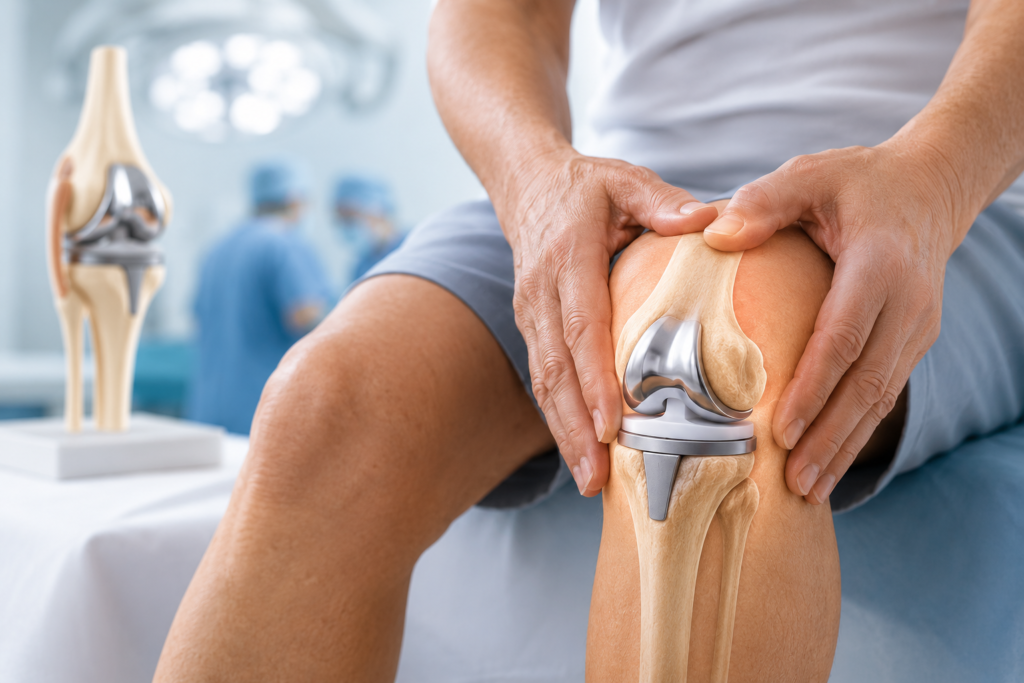
9 Things to Know Before Knee Replacement Surgery Deciding to have knee replacement surgery is a major step, and it is completely normal to have questions and concerns. At Orthomed Hospital Hisar, we believe that well-informed patients have better outcomes and smoother recoveries. Before you go into the theater, here are 9 essential things you should know. 1. Surgery Is Usually the Last Resort, Not the First Knee replacement is recommended only when conservative treatments — physiotherapy, weight management, anti-inflammatory medications, and joint injections — have failed to provide adequate relief. Your surgeon at Orthomed Hospital Hisar will have a detailed discussion with you about whether surgery is truly the right time and the right option. 2. There Are Different Types of Knee Replacement Not every knee replacement is the same. Options include: Total knee replacement (TKR): The entire knee joint surface is replaced, the most common procedure Partial (unicompartmental) knee replacement: Only the most damaged part of the knee is replaced, suitable for younger, more active patients with limited disease. Robotic-assisted knee replacement: Available at Orthomed Hospital Hisar, this uses robotic technology for greater precision and better alignment of the implant Your surgeon will recommend the most appropriate type based on your X-rays, age, activity level, and overall health. 3. Your Pre-Surgery Health Matters Enormously The better your health is going into surgery, the better your recovery will be. In the weeks before surgery, Orthomed Hospital in Hisar advises: Losing weight, if you are overweight, even a few kilograms, reduces surgical risk Managing diabetes, blood pressure, and heart conditions as tightly as possible Stopping smoking at least 6 weeks before surgery Building leg muscle strength through physiotherapy exercises Getting any dental work done, dental bacteria can cause implant infections 4. What the Surgery Actually Involves Knee replacement surgery takes approximately 1 to 2 hours. The damaged cartilage and bone surfaces are removed and replaced with metal and plastic implants that recreate the smooth gliding surface of a healthy knee. The surgery is performed under spinal or general anesthesia. At Orthomed Hospital Hisar, robotic-assisted technology allows the surgeon to plan and execute the procedure with millimeter precision—resulting in better alignment and longer implant life. 5. You Will Be Walking the Next Day One of the facts that surprises most patients: physiotherapy begins the day after surgery — sometimes even on the same day. Early mobilisation is not only safe but essential. It prevents blood clots, reduces swelling, and dramatically improves recovery speed. Most patients take their first steps with a walker within 24 hours of surgery. 6. Pain Is Manageable and Temporary Yes, there will be pain and discomfort after surgery—but it is well-managed with modern pain protocols at Orthomed Hospital Hisar. A combination of nerve blocks, anti-inflammatory medications, and targeted physiotherapy keeps pain at a manageable level. Pain progressively reduces over weeks as the joint heals and strengthens. 7. Recovery Takes Commitment Most patients return to light daily activities within 6 weeks and feel substantially better by 3 months. Full recovery — where the knee feels truly natural — typically takes 6 to 12 months. The key driver of recovery is consistent physiotherapy. Patients who complete their rehabilitation programme faithfully achieve significantly better outcomes than those who do not. 8. The Implant Is Built to Last Modern knee implants used at Orthomed Hospital Hisar, are designed to last 15 to 25 years or more for most patients. Factors that affect implant longevity include body weight, activity level, and whether the joint was correctly aligned at surgery—one of the reasons robotic assistance is so valuable. 9. Life After Knee Replacement Is Genuinely Better Study after study confirms that the vast majority of patients who undergo knee replacement surgery report dramatic improvement in pain, mobility, sleep quality, and overall quality of life. Activities that had become impossible—walking comfortably, climbing stairs, travelling—become possible again. At Orthomed Hospital Hisar, our patients consistently tell us they wish they had not waited so long. Knowledge is one of the most powerful tools in your recovery. If you are considering knee replacement surgery, book a consultation at Orthomed Hospital Hisar, and get all your questions answered by our experienced orthopedic team. Your pain-free life is closer than you think. Popular Post Understanding the Link Between Menopause and Bone Health in Women The Role of Robotics in Modern Orthopedic Surgery Plastic Surgery Post-operative care for neurosurgery patients: A Comprehensive Guide Surgical & Non-Surgical Trеatmеnts for Bonе Fracturе
Clubfoot in Babies: Early Diagnosis Can Make All the Difference
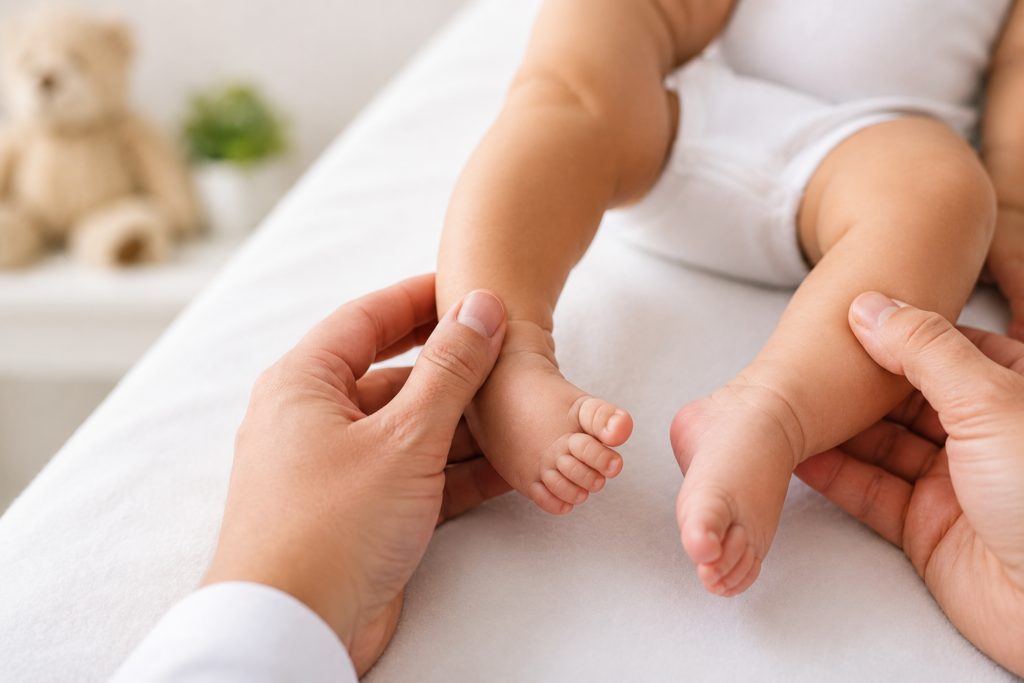
Clubfoot in Babies: Early Diagnosis Can Make All the Difference The moment a parent is told their newborn has clubfoot, fear and uncertainty naturally follow. But here is the most important thing to understand: clubfoot is one of the most successfully treated orthopedic conditions in children, provided treatment begins early. At Orthomed Hospital Hisar, our pediatric orthopedic team has helped hundreds of children born with this condition walk, run, and live completely normal lives. What Is Clubfoot? Clubfoot (talipes equinovarus) is a congenital deformity in which one or both feet are twisted out of their normal position at birth. The foot appears to point downward and inward, with the sole facing sideways or even upward in severe cases. It is one of the most common birth defects affecting the musculoskeletal system, occurring in approximately 1 in 1,000 live births. Clubfoot does not cause pain in newborns, but if left untreated, it leads to significant disability, making normal walking impossible and causing lifelong pain. What Causes Clubfoot? The exact cause of clubfoot is not fully understood. In most cases, it is idiopathic—meaning it occurs without a clear cause. Known contributing factors include: Genetic predisposition (it tends to run in families) Abnormal position in the womb Associated conditions such as spina bifida or arthrogryposis Environmental factors during pregnancy Clubfoot occurs in isolation in the majority of cases and is not related to anything the mother did or did not do during pregnancy. How Is Clubfoot Diagnosed? Clubfoot is often detected during a routine prenatal ultrasound as early as the second trimester. It is confirmed at birth through physical examination, and the diagnosis is usually obvious on visual inspection. At Orthomed Hospital Hisar, our pediatric orthopedic specialists perform a thorough assessment to determine the severity of the deformity and whether it is associated with any other conditions. The Ponseti Method: Gold Standard Treatment The Ponseti method is the internationally recognized gold standard for clubfoot treatment and is the approach used at Orthomed Hospital Hisar. Treatment should begin within the first two weeks of life for the best results. The process involves: Serial casting: The foot is gently manipulated into a more correct position and held in place with a plaster cast. The cast is changed every week, each time gradually correcting the deformity. This typically requires 4 to 8 casts over 6 to 8 weeks. Minor surgical procedure (Achilles tenotomy): In most cases, a small procedure to release the tight Achilles tendon is required. This is a minor, quick procedure done under local anesthesia. Bracing: After casting, the baby wears special boots connected by a bar (Denis Browne splint) to maintain the correction. Bracing is worn full-time for 3 months, then during naps and at night until age 4 to 5 years. What If Treatment Is Delayed? The Ponseti method works best when started in the first weeks of life. Older children and adults can still be treated, but the process is more complex and may require more extensive surgery. This is why early diagnosis and referral to a pediatric orthopaedic specialist are absolutely critical. Long-Term Outcomes Children treated with the Ponseti method early have excellent long-term outcomes. The vast majority grow up to walk, run, play sports, and live completely normal, active lives with no functional limitation. The treated foot may be slightly smaller than the other foot and the calf muscle slightly thinner, but these differences rarely cause any practical problems. If your child has been diagnosed with clubfoot, either before or after birth, do not delay. The earlier the treatment begins at Orthomed Hospital Hisar, the simpler and more successful the outcome. Contact our pediatric orthopedic team today and give your child the best possible start. Popular Post Understanding the Link Between Menopause and Bone Health in Women The Role of Robotics in Modern Orthopedic Surgery Plastic Surgery Post-operative care for neurosurgery patients: A Comprehensive Guide Surgical & Non-Surgical Trеatmеnts for Bonе Fracturе
10 Early Signs of Knee Arthritis
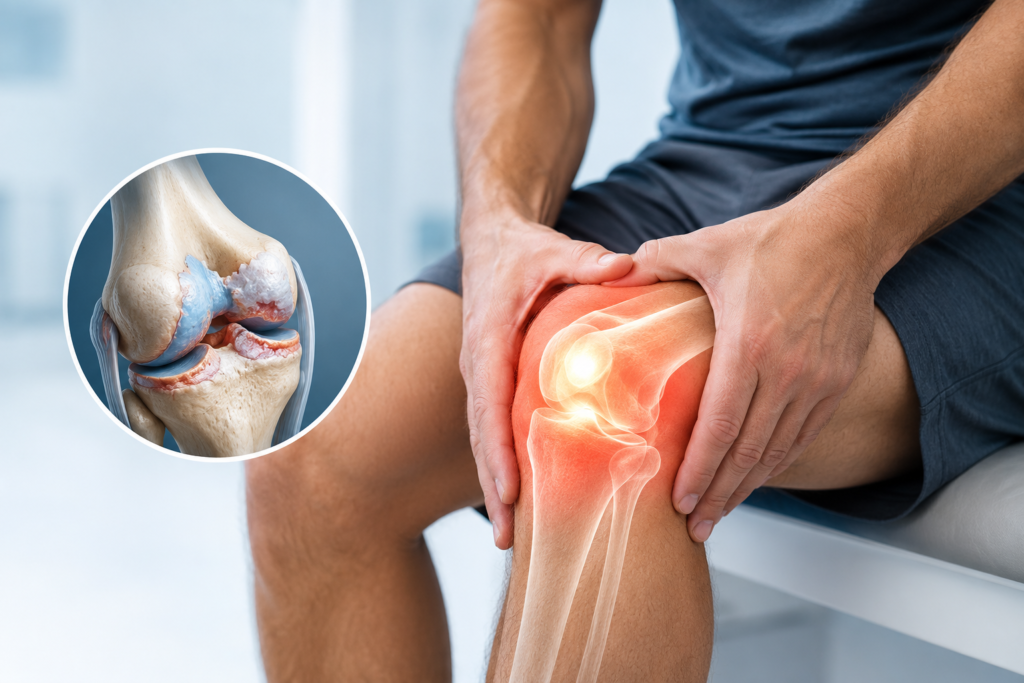
10 Early Signs of Knee Arthritis You Shouldn’t Ignore Knee arthritis does not arrive overnight. It creeps in gradually, often dismissed as normal tiredness or the effects of ageing. But by the time many patients visit Orthomed Hospital Hisar, the damage is already significant. The good news? Arthritis is far easier to manage when caught early. 1. Morning Stiffness That Lasts More Than 30 Minutes If your knees feel stiff and difficult to move when you wake up, and this stiffness persists for more than 30 minutes, it is one of the earliest indicators of arthritis. Healthy joints loosen up quickly; arthritic joints take much longer. 2. A Dull Ache After Activity A persistent dull ache in the knee after walking, climbing stairs, or standing for long periods is an early red flag. Unlike muscle soreness that resolves in 24 to 48 hours, arthritis related aching tends to linger or return consistently after activity. 3. Swelling Around the Knee Joint Mild swelling or puffiness around the knee, even without a specific injury, signals inflammation inside the joint. This is the body’s response to cartilage breakdown. Early swelling is often dismissed as minor, but it should prompt a medical evaluation. 4. A Clicking, Grinding, or Crunching Sound Known medically as crepitus, this grating sensation or sound when bending and straightening the knee occurs when the cartilage surfaces wear down and bones begin rubbing against each other. It is one of the most characteristic early signs of knee arthritis. 5. Difficulty Fully Straightening or Bending the Knee If you notice that your knee no longer straightens or bends completely, or that certain movements feel restricted, this loss of range of motion is a sign of joint deterioration that deserves prompt attention. 6. Increased Pain in Cold or Humid Weather Many arthritis patients report that their knee pain worsens during cold weather or before rain. This is because changes in barometric pressure affect the pressure inside the joint. If your knees reliably ache when the weather changes, arthritis may already be at play. 7. Tenderness When You Press on the Knee Pressing gently on the sides of the knee or along the joint line and feeling tenderness or pain is an early clinical sign that the joint lining is inflamed. This is something your orthopaedic specialist at Orthomed Hospital Hisar will assess during a physical examination. 8. Weakness or Instability in the Knee Early arthritis causes the muscles around the knee to weaken due to pain and reduced use. You may notice the knee occasionally feels like it will give way, buckle, or cannot be fully trusted, particularly when descending stairs or walking on uneven ground. 9. Gradual Changes in Leg Alignment Over time, progressive cartilage loss on one side of the knee causes the leg to gradually bow inward or outward. This subtle change in alignment is often visible in photographs taken over several years and is a sign that arthritis is advancing. 10. Pain That Wakes You at Night When knee pain becomes severe enough to disturb sleep, especially when lying on the affected side, it indicates significant inflammation or joint damage. Night pain is a sign that conservative management alone may no longer be sufficient, and a specialist review is needed urgently. What Should You Do Next? If you recognise two or more of these signs in yourself or a family member, do not wait for the pain to become unbearable. Early diagnosis at Orthomed Hospital Hisar includes a clinical examination, X rays, and, where needed, an MRI scan to assess the extent of cartilage damage. Early stage knee arthritis can be managed very effectively with physiotherapy, lifestyle changes, anti inflammatory treatment, and joint injections, helping avoid or delay the need for surgery. Knee arthritis is not just a condition of old age, and it is not something you simply have to live with. The earlier you seek help, the more treatment options you have. Visit Orthomed Hospital Hisar, today for a comprehensive knee assessment and take back control of your mobility. Popular Post Understanding the Link Between Menopause and Bone Health in Women The Role of Robotics in Modern Orthopedic Surgery Plastic Surgery Post-operative care for neurosurgery patients: A Comprehensive Guide Surgical & Non-Surgical Trеatmеnts for Bonе Fracturе
Fracture Care: First Aid Mistakes That Make Injuries Worse
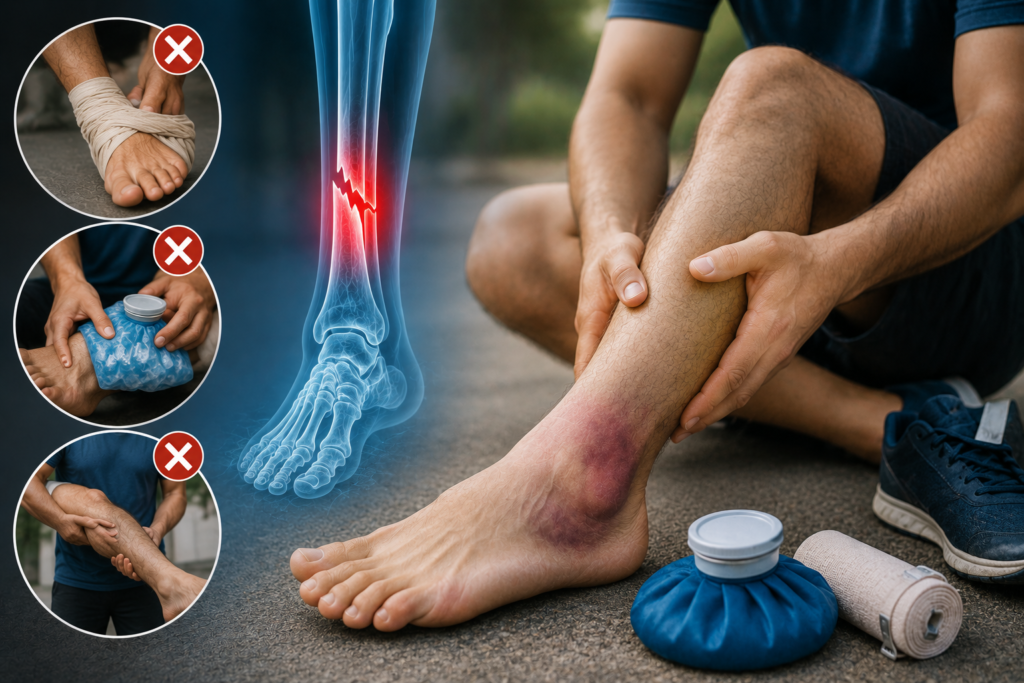
Fracture Care: First Aid Mistakes That Make Injuries Worse A fracture, whether from a fall, a road accident, or a sports injury, is a stressful and painful experience. In the panic of the moment, well-meaning people often make first-aid mistakes that can worsen the injury. At Orthomed Hospital Hisar, our trauma and fracture specialists see the consequences of incorrect first aid regularly. Here is what you need to know to handle a fracture the right way. How Do You Know It Is a Fracture? Not all fractures are obvious breaks. Signs that a bone may be fractured include: Severe pain at the site of injury that worsens with movement Swelling and bruising appearing rapidly Deformity — the limb looks bent, shortened, or at an unusual angle Inability to move or bear weight on the affected area A crunching or grinding sensation during movement In open (compound) fractures: bone visible through the skin When in doubt, treat the injury as a fracture until proven otherwise. Common First Aid Mistakes to Avoid These are the most dangerous mistakes people make at the scene of a fracture: Trying to straighten the limb: Never attempt to realign a broken bone yourself. This can cause severe damage to blood vessels, nerves, and surrounding tissue. Removing shoes or clothing forcefully: If a foot or ankle is fractured, removing footwear by pulling can aggravate the injury. Cut clothing away if necessary. Applying heat: Heat increases swelling and inflammation. Always use ice (wrapped in cloth — never directly on skin) to reduce swelling. Giving painkillers before medical evaluation: Especially in children, this can mask symptoms and make accurate diagnosis difficult. Moving the patient without proper support: Moving a person with a suspected spinal fracture without immobilising the neck and back can cause permanent paralysis. Ignoring an open fracture: An open wound near a fracture site is a medical emergency. Cover it with a clean cloth and rush to the hospital—do not attempt to push the bone back. The Right First Aid for a Fracture Here is the correct approach while waiting for medical help: Immobilize the injured area: Use a splint, rolled newspaper, cardboard, or even a pillow to support the limb in the position you find it—without forcing it straight. Apply ice wrapped in cloth: 20 minutes on, 20 minutes off to reduce swelling. Elevate the limb if possible: This reduces swelling, but do not force an unnatural position. Control bleeding: If there is an open wound, apply gentle pressure with a clean cloth. Keep the patient calm and still: Panic increases pain and the risk of further injury. Get to Orthomed Hospital Hisar as quickly as possible. Treatment of Fractures at Orthomed Hospital Hisar At Orthomed Hospital Hisar, fracture care begins with a detailed examination and X-ray. Treatment options depend on the type and location of the fracture: Closed reduction: Manipulating the bone back into place without surgery, then immobilising with a cast or splint Open reduction and internal fixation (ORIF): Surgical realignment of the bone using plates, screws, rods, or pins External fixation: Using an external frame to hold fractured bone in position—often used for complex or open fractures Traction: Used in certain fractures, particularly of the hip and femur, to align the bone while it heals Our trauma surgery team is available 24 hours a day, 7 days a week. How Long Does a Fracture Take to Heal? Healing time depends on the bone involved, the patient’s age, and overall health: Wrist fracture: 4 to 8 weeks Ankle fracture: 6 to 8 weeks Tibia (shin bone): 8 to 12 weeks Femur (thigh bone): 12 to 16 weeks Hip fracture in elderly patients: 3 to 6 months with rehabilitation Physiotherapy after fracture healing is essential to restore full strength and movement. In the critical moments after a fracture, the right action can prevent serious long-term damage. When in doubt — immobilise, ice, and rush to Orthomed Hospital Hisar. Our trauma specialists are available round the clock to provide expert fracture care and get you on the road to recovery. . Popular Post Understanding the Link Between Menopause and Bone Health in Women The Role of Robotics in Modern Orthopedic Surgery Plastic Surgery Post-operative care for neurosurgery patients: A Comprehensive Guide Surgical & Non-Surgical Trеatmеnts for Bonе Fracturе
Diabetic Foot Treatment in Hisar | Bone Health for Diabetics | Orthomed Hospital
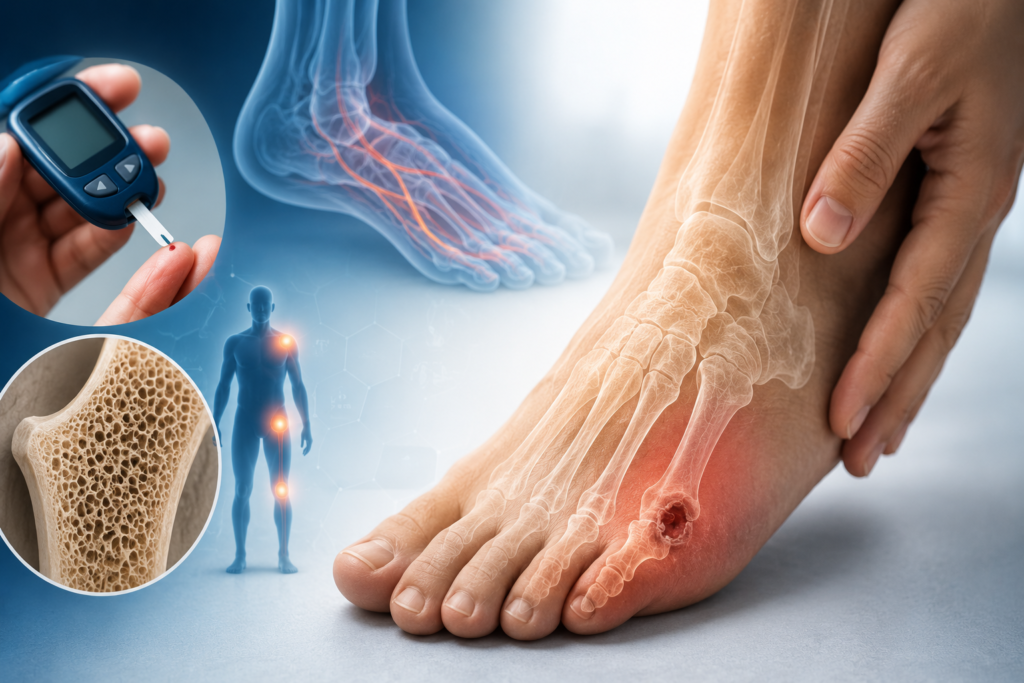
Diabetic Foot Treatment in Hisar | Bone Health for Diabetics | Orthomed Hospital Most people with diabetes are aware of its effects on blood sugar, the heart, and the kidneys. But far fewer know about the significant impact diabetes has on bone and foot health. Poorly managed diabetes can lead to serious orthopedic complications—from stress fractures that happen without injury to foot deformities that threaten the limb itself. At Orthomed Hospital Hisar, we see and treat these complications regularly, and early intervention makes all the difference. How Diabetes Affects the Bones There are particularly 2 types of diabetes that have a complex relationship with bone health: Insulin plays a role in bone formation, and insulin resistance disrupts this process High blood sugar damages the collagen structure that makes bones strong and flexible Diabetes increases the risk of osteoporosis and stress fractures Neuropathy (nerve damage) means patients often do not feel pain when a fracture occurs—allowing the fracture to go untreated and worsen Poor circulation reduces the bone’s ability to heal after an injury or fracture What Is Diabetic Foot? Diabetic foot refers to a range of foot problems that occur as a result of long-term diabetes. They are caused by two main mechanisms: Diabetic neuropathy: Nerve damage that reduces sensation in the feet, making it easy to miss small injuries, blisters, or pressure sores Peripheral arterial disease: Reduced blood flow to the feet, which impairs healing Small wounds that would heal quickly in a non-diabetic person can become serious, chronic ulcers in a diabetic patient—and in severe cases, can lead to infection, gangrene, and amputation. Charcot Foot: A Serious Diabetic Orthopaedic Condition One of the most serious orthopedic complications of diabetes is Charcot foot (Charcot neuroarthropathy). In this condition, neuropathy causes the bones of the foot to weaken and fracture without the patient feeling pain. The foot gradually collapses and deforms—often into a “rocker bottom” shape. Charcot foot requires urgent orthopedic attention to prevent further destruction and potential amputation. Warning Signs Every Diabetic Should Know Seek orthopedic review at Orthomed Hospital Hisar if you notice the following: Redness, swelling, or warmth in the foot An open wound or ulcer on the foot that is not healing Numbness or loss of sensation in the feet Changes in the shape of your foot Pain or difficulty walking Skin discolouration or darkening of toes Never ignore a diabetic foot wound — what looks minor can become life-threatening within days. Prevention and Treatment at Orthomed Hospital Hisar Prevention is the most powerful tool: Keep blood sugar well controlled Inspect your feet daily for any cuts, blisters, or colour changes Wear proper diabetic footwear Never walk barefoot Get regular foot check-ups with an orthopaedic specialist For patients who already have diabetic foot complications, treatment at Orthomed Hospital Hisar includes wound care, offloading footwear, infection management, surgical debridement if needed, and limb salvage for severe cases. Diabetes and orthopedic health are more closely linked than most people realise. If you have diabetes, do not wait for a problem to become a crisis. Visit Orthomed Hospital Hisar for a diabetic foot assessment and take proactive steps to protect your feet and bones. Popular Post Understanding the Link Between Menopause and Bone Health in Women The Role of Robotics in Modern Orthopedic Surgery Plastic Surgery Post-operative care for neurosurgery patients: A Comprehensive Guide Surgical & Non-Surgical Trеatmеnts for Bonе Fracturе