
Robotic Knee Replacement vs Traditional Knee Replacement in Hisar A Side-by-Side Comparison

Robotic Knee Replacement vs Traditional Knee Replacement in Hisar: A Side-by-Side Comparison Your doctor has told you that you need a knee replacement. Then they mention robotic surgery is an option. Now you have a decision to make with terminology you have never encountered before. This blog is not a general explainer about what robotic surgery is. It is a direct, honest comparison to help you make the right choice, written by the team at Orthomed Hospital, which offers robotic knee replacement in Hisar. The Core Difference Between Robotic and Traditional Knee Replacement In traditional knee replacement, the surgeon uses pre-operative X-rays and intraoperative judgment to cut and position the implant. In robotic-assisted knee replacement, a CT scan is done before surgery to create a 3D model of your specific knee. The surgeon then plans the exact implant size, position, and alignment digitally before making a single cut. During surgery, the robotic arm assists in executing that plan with precision that the human hand, however skilled, cannot consistently match. To be clear: the surgeon is always in control. The robot does not operate independently. It is an advanced instrument that helps the surgeon stay within the pre-planned boundaries. This reduces the chance of malalignment, which is one of the most common reasons traditional knee replacements fail early. Side-by-Side Comparison Implant alignment accuracy: Traditional (within 3-5 degrees) vs Robotic (within 1 degree consistently) Bone removal: Traditional (manually estimated) vs Robotic (precisely planned, removes only what is needed) Blood loss: Traditional (higher) vs Robotic (lower due to precision) Recovery time: Traditional (6-8 weeks for basic function) vs Robotic (often 4-6 weeks with better early mobility) Risk of revision: Traditional (approximately 5-8% within 10 years) vs Robotic (lower, longer implant survival reported) Suitability: Traditional (works for most knees) vs Robotic (ideal for complex deformities and younger, active patients) Availability in Hisar: Orthomed Hospital offers robotic knee replacement in Hisar, eliminating the need to travel to Delhi When Robotic Knee Replacement Is Clearly the Better Choice Robotic joint replacement in Hisar at Orthomed is particularly recommended for: Patients under 65 who are active and need the implant to last 20 or more years Knees with significant deformity such as severe bow legs or knock knees alongside arthritis Patients who have had previous knee surgery which has altered normal anatomy People whose work or lifestyle requires excellent knee function post-surgery When Traditional Knee Replacement Is Perfectly Fine We want to be honest here, because trust matters in medical decisions. Traditional knee replacement remains an excellent procedure with decades of proven outcomes. For elderly patients with straightforward arthritis and no significant deformity, a skilled surgeon performing traditional knee replacement achieves results that are clinically comparable for that patient’s activity level and lifespan. Not every patient needs robotic surgery, and we will tell you clearly if traditional is the right choice for you. What About the Cost Difference? Robotic knee replacement is more expensive than traditional surgery due to the technology involved. At Orthomed Hospital in Hisar, we discuss costs transparently. Many patients find that when they factor in the lower risk of revision surgery and faster return to normal life, the cost difference is justified. For those where budget is a significant constraint, traditional knee replacement with our experienced surgical team remains a strong option. Why Orthomed for Robotic Knee Replacement in Hisar? Orthomed Hospital is one of the very few centres in Haryana offering robotic-assisted joint replacement surgery without patients needing to travel to metro cities. Dr. Sanjay Arora combines robotic technology with deep surgical expertise to deliver outcomes that meet the standard of care available in the best centres in India. Considering knee replacement? Get a personalised assessment at Orthomed Hospital, Hisar Call:+918950546668 Popular Post Understanding the Link Between Menopause and Bone Health in Women The Role of Robotics in Modern Orthopedic Surgery Plastic Surgery Post-operative care for neurosurgery patients: A Comprehensive Guide Surgical & Non-Surgical Trеatmеnts for Bonе Fracturе
Osteoporosis in India Why Women in Hisar Are Getting Fractures From Minor Falls and What to Do About It

Osteoporosis in India: Why Women in Hisar Are Getting Fractures From Minor Falls and What to Do About It A 54-year-old woman from Hisar came to Orthomed Hospital after slipping on a wet floor in her kitchen. She had not fallen badly. Her family thought it was a minor incident. The X-ray showed a complete wrist fracture from what was essentially a stumble. Her bone density test revealed she had severe osteoporosis that had been silently developing for over a decade. This is not an unusual story. It is, in fact, one of the most common presentations we see at our orthopedic clinic in Hisar. Osteoporosis is known as the silent disease because it causes no symptoms until a fracture happens. And in Indian women, particularly those over 45, it is dramatically under-diagnosed. Why Indian Women in Hisar Face Higher Osteoporosis Risk The osteoporosis picture in India is significantly different from Western countries, and that difference is not always reflected in the advice patients receive. Here is what actually drives risk for women in our region: Lower peak bone mass: Indian women on average reach a lower peak bone density than Western women, meaning less bone reserve to draw on as they age Vitamin D deficiency despite living in a sunny climate: Most women in Haryana spend limited time outdoors, dress conservatively, and have darker skin, all of which reduce Vitamin D synthesis Low dietary calcium: Traditional Haryanvi diets are not always calcium-rich, and lactose intolerance is common, meaning dairy is avoided Early menopause: The average age of menopause in Indian women is 46 to 48 years, up to 4 years earlier than the global average. This means oestrogen loss and bone loss start earlier Underweight and physically inactive: Both increase bone loss risk considerably What Is Osteoporosis and How Does It Cause Fractures? Bone is living tissue. It is constantly broken down and rebuilt. Osteoporosis occurs when bone is broken down faster than it is rebuilt, leaving bones porous, lighter, and far more fragile. A bone that should withstand a fall from standing height snaps from a stumble or even a forceful cough in severe cases. The most common fracture sites are the wrist, spine, and hip. Hip fractures in elderly patients with osteoporosis are particularly serious, with significant mortality risk in the first year after the fracture. How Is Osteoporosis Diagnosed? Understanding the DEXA Scan in Hisar The gold standard for diagnosing osteoporosis is a DEXA scan, short for Dual-Energy X-ray Absorptiometry. It is a quick, painless scan that measures bone mineral density at the spine and hip. The result is reported as a T-score: -1 and above: Normal bone density -1 to -2.5: Osteopenia (low bone density, early warning) Below -2.5: Osteoporosis At Orthomed Hospital in Hisar, we recommend a bone density test for all women over 45, and earlier for those with risk factors including family history, early menopause, steroid use, or previous low-impact fracture. Treatment Options for Osteoporosis in Hisar Osteoporosis is both preventable and treatable. Our osteoporosis specialist in Hisar creates a personalised plan that typically includes: Calcium and Vitamin D supplementation tailored to blood levels Prescription medications (bisphosphonates, denosumab) to slow bone breakdown Weight-bearing exercise programme with physiotherapy guidance Fall prevention assessment for elderly patients Dietary counselling including Indian food-based calcium sources like ragi, sesame seeds, amaranth, and drumstick leaves If a fracture has already occurred, orthopedic treatment at Orthomed, including kyphoplasty for spine fractures or surgical fixation for hip fractures, is combined with osteoporosis medication to prevent the next fracture. Who Should Get a Bone Density Test in Hisar? Our recommendation for the Hisar region: every woman over 45, and every man over 65, should have at least one baseline DEXA scan. Younger adults with any of the risk factors above should be tested earlier. Osteoporosis caught at the osteopenia stage is far easier to treat and fractures can be prevented entirely with the right management. Book your bone density test at Orthomed Hospital, Hisar. Do not wait for a fracture. Call:+918950546668 Popular Post Understanding the Link Between Menopause and Bone Health in Women The Role of Robotics in Modern Orthopedic Surgery Plastic Surgery Post-operative care for neurosurgery patients: A Comprehensive Guide Surgical & Non-Surgical Trеatmеnts for Bonе Fracturе
Bow Legs in Children and Adults When Is It Normal, When Is It a Problem, and What Are Your Treatment Options?

Bow Legs in Children and Adults: When Is It Normal, When Is It a Problem, and What Are Your Treatment Options? Bow legs, medically called genu varum, is one of the most common concerns that brings parents to our pediatric orthopedic clinic at Orthomed Hospital in Hisar. And sometimes it is adults who come in, wondering why their legs never straightened and whether anything can still be done. The answer to both depends entirely on the cause, the severity, and the age of the patient. Bow Legs in Toddlers: When It Is Completely Normal Here is something most parents do not know: almost every toddler is bow-legged. In the womb, babies are curled in a tight space. This causes natural bowing of the legs that typically corrects itself between ages 1.5 and 3 years. By age 3 to 4, most children actually become slightly knock-kneed before settling into normal alignment by age 6 to 7. So if your 18-month-old is bow-legged and walking, this is almost certainly normal development. No treatment is required. What our bow leg doctor in Hisar does at this stage is confirm that the bowing is symmetrical, that the child is growing normally, and that there are no other features suggesting a pathological cause. When Bow Legs Signal a Real Problem The following situations in a child need proper orthopedic evaluation for bow legs in Hisar: Bowing that is worsening rather than improving after age 2 Bowing that is unequal on the two legs Child is above age 3 and bowing is still prominent Child is short for age or has other skeletal abnormalities Pain in the knees or difficulty walking In these cases, we look for conditions like Blount’s disease, where abnormal growth in the shin bone causes progressive bowing, or rickets, which is still seen in parts of Haryana due to Vitamin D deficiency. These conditions need treatment, not watchful waiting. Bow Legs in Adults: Causes and Consequences Adults can present to our orthopedic clinic in Hisar with bow legs for several reasons. Untreated childhood bow legs that were assumed to be normal. Osteoarthritis of the knee, which is one of the most common causes in adults over 50, gradually destroys the inner part of the knee joint and causes the leg to bow outward. Old fractures that healed in a malaligned position. Metabolic bone disease. The consequences of adult bow legs are significant. Abnormal alignment creates uneven pressure across the knee joint. Over years, this accelerates cartilage wear on one side, leading to pain, stiffness, and eventually the need for knee replacement. How Is Bow Legs Diagnosed at Orthomed Hospital? Our bow leg surgeon in Hisar performs a clinical examination and requests standing X-rays of both legs from hip to ankle. This gives us a mechanical axis measurement, which tells us exactly how much the alignment is off and which part of the bone is responsible. This measurement guides the treatment plan entirely. Treatment Options for Genu Varum Correction in Hisar Treatment depends completely on the cause, age, and severity: Watchful waiting: For children under 3 with symmetric, mild physiological bowing Nutritional correction: For rickets-related bowing with Vitamin D and calcium supplementation Guided growth surgery: In growing children, a small implant temporarily slows growth on one side of the bone, allowing the other side to catch up and correct alignment naturally High tibial osteotomy: For adults or older adolescents where the bone itself is cut and realigned to correct the mechanical axis Knee replacement: For elderly patients where bow legs have caused advanced arthritis Why Early Evaluation for Bow Legs in Hisar Matters The most cost-effective, least invasive interventions happen in childhood. A guided growth procedure in an 8-year-old takes 30 minutes and corrects the alignment using the child’s own growth. The same deformity in a 35-year-old requires a tibial osteotomy with plates, screws, and months of recovery. Come in early, and we give you the most options. Worried about your child’s leg alignment? Book a consultation at Orthomed Hospital, Hisar Call:+918950546668 Popular Post Understanding the Link Between Menopause and Bone Health in Women The Role of Robotics in Modern Orthopedic Surgery Plastic Surgery Post-operative care for neurosurgery patients: A Comprehensive Guide Surgical & Non-Surgical Trеatmеnts for Bonе Fracturе
Clubfoot (CTEV) in Newborns: A Parent’s Complete Guide to Treatment and What Happens If It Is Delayed

Clubfoot (CTEV) in Newborns: A Parent’s Complete Guide to Treatment and What Happens If It Is Delayed Clubfoot, medically known as Congenital Talipes Equinovarus or CTEV, is one of the most common birth defects affecting the musculoskeletal system. In India, approximately 1 in every 500 live births results in clubfoot. If your newborn has been diagnosed with CTEV, you likely have questions you need answered urgently. This guide covers everything you need to know about clubfoot treatment in Hisar, what the Ponseti method involves, and why early treatment makes all the difference. What Is CTEV and How Is It Diagnosed? In a child with clubfoot, one or both feet are twisted inward and downward at birth. The foot cannot be placed flat on the ground in its natural position. It is caused by abnormal muscle, tendon, and bone development in the womb. Importantly, CTEV is not caused by anything the mother did or did not do during pregnancy. Diagnosis is often made at birth by the attending paediatrician. In some cases, it may even be spotted on an antenatal ultrasound. Once diagnosed, the most important next step is getting to a CTEV doctor in Hisar as quickly as possible, ideally within the first 1 to 2 weeks of life. The Ponseti Method: Gold Standard for Clubfoot Treatment The Ponseti method is the internationally accepted, evidence-based approach to CTEV treatment. At Orthomed Hospital, we follow this protocol closely. Here is how it works: Week 1-2: Assessment and first plaster cast applied, gently correcting the foot toward a more normal position Week 3-4: Cast changed weekly as foot gradually repositions Week 5-6: Most feet require a small procedure called an Achilles tenotomy, a minor cut to the Achilles tendon done under local anaesthesia Week 7-8: Final cast applied for 3 weeks after tenotomy After casting: Child wears a boots-and-bar brace (Denis Browne splint) full-time for 3 months, then at night until age 4 to 5 years The entire active treatment phase for a newborn takes roughly 8 to 10 weeks. It is non-surgical, effective, and produces excellent long-term outcomes when started early. What Happens If CTEV Treatment Is Delayed? This is the question that matters most for many families who live in smaller towns or who were not informed early. Here is what the research and our clinical experience at Orthomed Hospital shows: Treated at birth to 2 weeks: Excellent outcomes with Ponseti alone, usually no surgery needed Treated at 2 to 6 months: Ponseti still works well but may require more casts and a higher chance of tenotomy Treated at 6 months to 2 years: More complex, may require additional surgical procedures alongside casting Treated after 2 years: Surgery becomes significantly more involved; outcomes less predictable The bones in a newborn’s foot are still mostly cartilage. They respond beautifully to gentle, consistent correction. As a child ages, those cartilage structures calcify into bone, making reshaping far more difficult and requiring more invasive interventions. Does Clubfoot Require Surgery? With the Ponseti method started early, over 95 percent of clubfoot cases can be treated without major surgery. The Achilles tenotomy done as part of Ponseti is a minor procedure, not the kind of open surgery parents worry about. However, if treatment is delayed or the child was not treated correctly initially, surgical reconstruction of tendons, ligaments, and sometimes bones may be required. This is why accessing a reliable CTEV doctor in Hisar at the right time is so important. Long-Term Outlook for Children Treated at Orthomed Children who receive proper clubfoot treatment in Hisar from an early age go on to live completely normal lives. They can walk, run, play sports, and wear standard footwear. There is no limitation on physical activity with successful treatment. Our pediatric orthopedic team at Orthomed Hospital follows children through their growth years to catch any signs of relapse early, which is most common between ages 1 and 4. Why Orthomed Hospital for Clubfoot Treatment in Hisar? Dr. Sanjay Arora’s fellowship in Pediatric Orthopedics means families in Hisar, Sirsa, Fatehabad, and surrounding districts do not need to travel to Delhi for specialised CTEV care. We have managed multiple clubfoot cases across age groups and follow evidence-based protocols for every patient. Newborn diagnosed with clubfoot? Start treatment within 2 weeks. Book at Orthomed Hospital, Hisar Call:+918950546668 Popular Post Understanding the Link Between Menopause and Bone Health in Women The Role of Robotics in Modern Orthopedic Surgery Plastic Surgery Post-operative care for neurosurgery patients: A Comprehensive Guide Surgical & Non-Surgical Trеatmеnts for Bonе Fracturе
Kyphoplasty for Spinal Fractures: What Patients in Hisar Need to Know Before Surgery

Kyphoplasty for Spinal Fractures: What Patients in Hisar Need to Know Before Surgery A spinal compression fracture is not always dramatic. Sometimes it happens quietly. You bend down to pick something up, feel a sudden sharp pain in your back, and assume it is a muscle pull. Weeks pass and the pain does not go away. Eventually an X-ray or MRI reveals that a vertebra has collapsed. This is a compression fracture, and it is far more common than most people realise, especially in older adults with osteoporosis. At Orthomed Hospital in Hisar, we regularly see patients who have been living with this pain for months without knowing what caused it or that it could be treated effectively. Kyphoplasty surgery in Hisar is one of the most effective and minimally invasive ways to treat vertebral compression fractures, and it is available right here at Orthomed without needing to travel to Delhi or Chandigarh. What Exactly Is Kyphoplasty? Kyphoplasty is a minimally invasive spine procedure. A small needle is guided into the collapsed vertebra using imaging guidance. A tiny balloon is then inserted and inflated to restore height to the vertebra. Once space is created, the balloon is removed and the cavity is filled with bone cement, which hardens quickly and stabilises the fracture. The difference between kyphoplasty and the older vertebroplasty procedure is that balloon-assisted kyphoplasty actually works to restore the height of the fractured vertebra before cementing, reducing the risk of cement leakage and improving the correction of spinal deformity. At Orthomed, our spine surgeon in Hisar evaluates each patient carefully to determine which approach is most appropriate. Who Is a Candidate for Kyphoplasty in Hisar? Not every spinal fracture needs kyphoplasty. Our spine specialists assess the following before recommending the procedure: Vertebral compression fracture confirmed on MRI (must be relatively recent, within 6-8 weeks ideally) Pain that significantly limits daily activity and has not improved with rest and medication No neurological symptoms such as leg weakness or bowel-bladder problems Patient medically fit enough for a minimally invasive procedure The ideal window for kyphoplasty is within the first few weeks after the fracture. Older fractures may have already healed partially and respond less predictably. This is why we always tell patients in Hisar: if your back pain started after a minor fall or a routine movement and has not resolved in 2 to 3 weeks, get it investigated. What to Expect: Before, During, and After Kyphoplasty The procedure is done under local anaesthesia with sedation or general anaesthesia depending on the patient. It takes roughly 45 to 60 minutes. Most patients at Orthomed Hospital are able to walk the same day or the next morning. Pain relief is often dramatic and fast. Studies report that over 90 percent of patients experience significant pain reduction within 24 to 48 hours. Mobility returns, and patients can return to light daily activities within days rather than weeks of bed rest. Questions to Ask Your Spine Surgeon in Hisar Before the Procedure Is my fracture recent enough to benefit from kyphoplasty? What are the risks specific to my bone quality and age? Will I need to address the underlying osteoporosis as well? What activity restrictions apply after surgery? What happens if I choose not to have surgery? This last question is important. Untreated vertebral compression fractures can lead to progressive spinal deformity, loss of height, chronic pain, and reduced lung capacity in severe cases. Kyphoplasty is not just about pain relief. It is about protecting the spine’s long-term structure. Why Orthomed for Spine Fracture Treatment in Hisar? Orthomed Hospital is one of the few centres in Haryana offering advanced spine surgery with a dedicated spine surgeon in Hisar. We combine the precision of image-guided techniques with a patient-first approach that focuses on getting you back to life with minimal downtime. Patients come to us from Sirsa, Rohtak, Bhiwani, and Fatehabad for spine fracture treatment that meets the standard of what is available in larger cities. Experiencing persistent back pain? Get evaluated at Orthomed Hospital, Hisar Call:+918950546668 Popular Post Understanding the Link Between Menopause and Bone Health in Women The Role of Robotics in Modern Orthopedic Surgery Plastic Surgery Post-operative care for neurosurgery patients: A Comprehensive Guide Surgical & Non-Surgical Trеatmеnts for Bonе Fracturе
Cerebral Palsy in Children When Is the Right Time for Orthopedic Intervention

Cerebral Palsy in Children When Is the Right Time for Orthopedic Intervention If your child has been diagnosed with cerebral palsy, one of the first questions you will ask is: what do we do next? As a parent, the diagnosis itself is overwhelming. But what many families in Hisar and across Haryana do not realise is that the timing of orthopedic intervention in cerebral palsy can significantly change the outcome for your child. Early action is not just helpful. It is often the difference between a child who walks independently and one who does not. At Orthomed Hospital in Hisar, our pediatric orthopedic team, led by Dr. Sanjay Arora, specialises in managing cerebral palsy in children from infancy through adolescence. With a dedicated fellowship in Pediatric Orthopedics, Dr. Arora brings a level of expertise to cerebral palsy treatment in Hisar that is rare in the region. What Is Cerebral Palsy and Why Does It Affect Movement? Cerebral palsy (CP) is a group of disorders that affect a child’s ability to move, maintain balance, and control posture. It happens because of damage or abnormal development in the brain, usually before or during birth. CP itself does not worsen over time, but the impact it has on muscles, joints, and bones often does, especially during growth spurts. The most common concern orthopedic doctors in Hisar see in CP children is spasticity. This is when muscles remain tight and stiff, pulling joints into abnormal positions. Over time, this causes contractures (permanently shortened muscles), hip dislocations, and spinal problems. That is exactly why early orthopedic evaluation is so important. Developmental Milestones That Signal a Need for Evaluation Parents often notice something is off before any formal diagnosis. Here are the signs that should prompt you to visit a pediatric orthopedic doctor in Hisar immediately: Not sitting independently by 9 months Not pulling to stand by 12 months Walking only on tiptoes after 18 months One hand used far more than the other before age 1 Stiffness in limbs when you try to move them gently Child walking with scissor gait or dragging one leg If you are seeing any of these signs in your child, do not wait. Getting a CP child specialist in Hisar involved early opens up treatment options that simply are not available once bones and muscles have adapted to abnormal positioning. What Does Orthopedic Evaluation for Cerebral Palsy Look Like? At Orthomed Hospital, our CP evaluation is thorough and child-friendly. Dr. Arora assesses gait pattern, muscle tone, joint range of motion, and spinal alignment. We use clinical observation alongside imaging where needed. The goal is to understand where the body is heading if we do not intervene, and what we can do right now to redirect that path. Treatment Options Available for Cerebral Palsy in Hisar Cerebral palsy treatment in Hisar at Orthomed covers the full spectrum depending on severity and age: Physiotherapy and stretching programs to prevent contractures Ankle-foot orthoses (AFO braces) to support correct walking posture Botulinum toxin (Botox) injections to temporarily reduce muscle spasticity Serial casting to gradually stretch tight muscles Orthopedic surgery when soft tissue or bony correction is needed Surgery for CP is considered when conservative measures are no longer enough. Common procedures include tendon lengthening, muscle transfers, and correction of hip displacement. These are not last resorts. They are planned, timed interventions that work best at specific ages in a child’s growth. Why Choosing the Right Pediatric Orthopedic Doctor in Hisar Matters Cerebral palsy requires a doctor who understands both the neurological picture and the musculoskeletal consequences. General orthopedic care is not enough. Dr. Sanjay Arora at Orthomed Hospital, Hisar, is one of the few pediatric orthopedic specialists in the region with specific training in CP management. Families travel from Sirsa, Fatehabad, Bhiwani, and across Haryana to access this level of care without going to Delhi or Chandigarh. When Should You Bring Your Child In? Our honest advice: the moment you have any concern, come in. There is no such thing as being too early when it comes to cerebral palsy treatment. Waiting to see if a child ‘grows out of it’ with CP often leads to missed windows where intervention would have been easiest and most effective. Book a Consultation with Dr. Sanjay Arora at Orthomed Hospital, Hisar Call:+918950546668 Popular Post Understanding the Link Between Menopause and Bone Health in Women The Role of Robotics in Modern Orthopedic Surgery Plastic Surgery Post-operative care for neurosurgery patients: A Comprehensive Guide Surgical & Non-Surgical Trеatmеnts for Bonе Fracturе
Life After Joint Replacement- What Recovery Really Looks Like
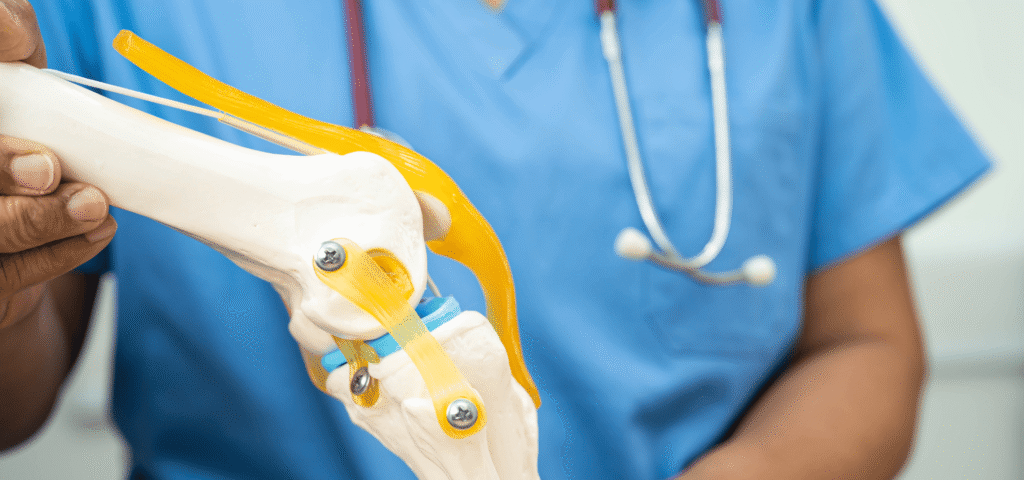
Life After Joint Replacement: What Recovery Really Looks Like? Joint replacement surgery is often seen as a life-changing step toward pain relief and improved mobility. However, many patients are unsure about what happens after the surgery. Recovery is not just about healing, it is a structured journey that involves rehabilitation, lifestyle adjustments, and gradual improvement. Understanding what to expect during joint replacement recovery Hisar helps patients stay prepared, motivated and confident throughout the process. The First Few Days After Surgery The initial phase of recovery begins immediately after surgery. Patients are usually encouraged to start gentle movement within a day to prevent stiffness and improve blood circulation. While there may be some discomfort, pain management techniques and medications help keep it under control. During this stage, medical teams focus on monitoring healing, preventing complications and helping patients regain basic mobility. Simple activities like sitting, standing, and taking a few steps are gradually introduced. This early phase is crucial because it sets the foundation for successful joint replacement recovery Hisar and prepares the body for further rehabilitation. The Role of Physiotherapy in Joint Replacement Recovery Hisar Physiotherapy is one of the most important components of recovery. It helps restore strength, flexibility and joint movement while ensuring proper healing. Structured physiotherapy after joint replacement Hisar programs begin soon after surgery and continue for several weeks or months. These programs include exercises to strengthen muscles around the joint, improve balance and enhance mobility. Consistency is key. Skipping sessions or not following prescribed exercises can slow progress and affect long-term results. With proper physiotherapy, patients can regain independence and return to daily activities more quickly. Post Knee Replacement Care and Daily Adjustments For patients undergoing knee surgery, following proper post knee replacement care Hisar guidelines is essential for smooth recovery. This includes maintaining proper posture, avoiding excessive strain and following movement precautions recommended by doctors. Daily routines may need temporary adjustments. Using support while walking, avoiding high-impact activities, and ensuring a safe home environment can help prevent falls or injuries. Patients are also advised to maintain a healthy diet and stay hydrated to support healing. Small changes in lifestyle during this phase contribute significantly to faster and safer recovery. Recovery Timeline: What to Expect Post Knee Replacement Care Hisar? Recovery after joint replacement varies from person to person, depending on age, overall health and commitment to rehabilitation. Most patients begin walking with support within a few days and gradually progress to independent movement. In the first few weeks, mobility improves steadily with regular physiotherapy. By 6 to 8 weeks, many patients can perform routine activities comfortably. Full recovery, including strength and flexibility, may take a few months. Understanding this timeline helps patients stay patient and focused during joint replacement recovery Hisar, avoiding unrealistic expectations and unnecessary stress. Returning to Normal Life and Activities One of the biggest goals of joint replacement surgery is to return to an active lifestyle. As recovery progresses, patients can gradually resume daily activities such as walking, driving and light exercise. However, it is important to avoid high-impact activities that may strain the joint. Low-impact exercises such as walking, swimming or cycling are recommended to maintain joint health. Following proper physiotherapy after joint replacement Hisar and medical advice ensures long-term success and prevents complications. With time and consistency, patients often experience improved mobility, reduced pain and better quality of life. Comprehensive Recovery Support at Orthomed Successful recovery depends not only on surgery but also on post-operative care and rehabilitation. For patients seeking reliable joint replacement recovery Hisar, Orthomed provides comprehensive support at every stage of the journey. From advanced surgical procedures to structured physiotherapy after joint replacement Hisar, Orthomed ensures that patients receive personalized care tailored to their needs. The hospital also offers guidance on post knee replacement care Hisar, helping patients recover safely and effectively. With experienced specialists, modern facilities, and a patient-focused approach, Orthomed supports faster healing, improved mobility, and long-term joint health. Their goal is to help patients return to an active, pain-free lifestyle with confidence. Final Thoughts Life after joint replacement is a gradual but rewarding journey. While the initial days may require patience and effort, consistent rehabilitation and proper care lead to significant improvements. Understanding the recovery process, following medical guidance and staying committed to physiotherapy are key to success. With expert care and structured support available at Orthomed, patients can confidently navigate joint replacement recovery Hisar and enjoy a healthier, more active life. Popular Post Understanding the Link Between Menopause and Bone Health in Women The Role of Robotics in Modern Orthopedic Surgery Plastic Surgery Post-operative care for neurosurgery patients: A Comprehensive Guide Surgical & Non-Surgical Trеatmеnts for Bonе Fracturе
Hand & Wrist Pain- Is It Fatigue or Something Serious
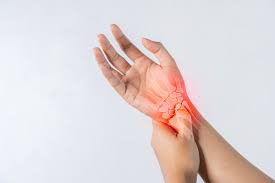
Hand & Wrist Pain: Is It Fatigue or Something Serious? Hand and wrist pain is often ignored as a minor issue caused by overuse or fatigue. In today’s digital world, where people spend long hours typing, scrolling, or performing repetitive tasks, discomfort in the hands and wrists has become increasingly common. While some cases are temporary and improve with rest, others may indicate underlying conditions that require medical attention. Understanding the difference between simple fatigue and a serious issue is essential. Knowing when to seek hand and wrist pain treatment Hisar can help prevent long-term complications and ensure proper recovery. Common Causes of Hand and Wrist Pain Hand and wrist pain can result from a variety of everyday activities. Repetitive movements such as typing, writing, lifting, or using tools can strain muscles and tendons over time. Poor ergonomics and incorrect posture also contribute to discomfort. In many cases, the pain is due to temporary fatigue and resolves with rest. However, persistent pain may be linked to conditions such as tendonitis, carpal tunnel syndrome, arthritis, or ligament injuries. If the pain continues despite rest or worsens over time, consulting an orthopaedic hand doctor Hisar is important to identify the exact cause and begin appropriate treatment. Signs That It’s More Than Just Fatigue & You Need Hand and Wrist Pain Treatment Hisar It can be difficult to determine whether pain is temporary or serious. However, certain symptoms indicate that medical attention is needed. Persistent pain lasting more than a few days, swelling, stiffness, numbness, or tingling in the fingers are warning signs. Weak grip strength, difficulty holding objects, or a feeling of instability in the wrist may also suggest underlying issues. Ignoring these symptoms can lead to worsening conditions and reduced functionality. Early evaluation for hand and wrist pain treatment Hisar helps prevent long-term damage and ensures faster recovery. Conditions That Affect the Hand and Wrist Several medical conditions can cause chronic hand and wrist pain. Carpal tunnel syndrome is one of the most common, caused by pressure on the median nerve, leading to numbness and tingling. Tendonitis occurs when tendons become inflamed due to overuse, causing pain and restricted movement. Arthritis can also affect joints in the hands and wrists, leading to stiffness and swelling. Ligament injuries or fractures from falls or accidents may cause severe pain and require immediate care. A qualified wrist pain specialist Hisar can diagnose these conditions accurately and recommend the right treatment plan. When to Visit a Wrist Pain Specialist in Hisar? Many people delay seeking medical care, assuming the pain will resolve on its own. However, early consultation can make a significant difference in treatment outcomes. You should visit a wrist pain specialist Hisar, if pain interferes with daily activities, affects sleep or does not improve with rest. Individuals experiencing recurring pain or symptoms like numbness and weakness should not ignore these signs. A specialist can perform a detailed examination and recommend suitable hand and wrist pain treatment Hisar options, including physiotherapy, medication, or advanced procedures if required. Treatment Options and Recovery Treatment depends on the severity and cause of the condition. Mild cases can often be managed with rest, splinting, ice therapy, and physiotherapy. Lifestyle changes & ergonomic improvements also play a key role in recovery. For more severe conditions, medical interventions such as injections or minor surgical procedures may be required. Early diagnosis ensures that treatment remains less invasive and more effective. Following a proper treatment plan and allowing adequate time for healing are essential to prevent recurrence and restore full functionality. Expert Hand and Wrist Care at Orthomed by Orthopedic Hand Doctor Hisar For individuals seeking reliable hand and wrist pain treatment Hisar, Orthomed offers advanced orthopedic care with a focus on accurate diagnosis and effective recovery. With experienced specialists, including a skilled orthopedic hand doctor Hisar, the hospital provides comprehensive treatment for conditions ranging from minor strains to complex wrist disorders. Patients benefit from personalized care plans designed to address the root cause of pain. As a trusted center with access to a qualified wrist pain specialist Hisar, Orthomed ensures modern treatment techniques, structured rehabilitation, and patient-focused care. Their goal is to help patients regain strength, mobility, and comfort in their daily activities. Final Thoughts Hand and wrist pain may seem like a minor inconvenience, but ignoring persistent symptoms can lead to serious complications. Knowing whether the pain is due to fatigue or an underlying condition is key to timely treatment. If discomfort continues or worsens, seeking expert care for hand and wrist pain treatment Hisar is the right step. With advanced solutions and experienced specialists at Orthomed, patients can achieve faster recovery and return to their normal routines without pain. Popular Post Understanding the Link Between Menopause and Bone Health in Women The Role of Robotics in Modern Orthopedic Surgery Plastic Surgery Post-operative care for neurosurgery patients: A Comprehensive Guide Surgical & Non-Surgical Trеatmеnts for Bonе Fracturе
Pediatric Orthopaedics: Signs Parents Should Never Ignore
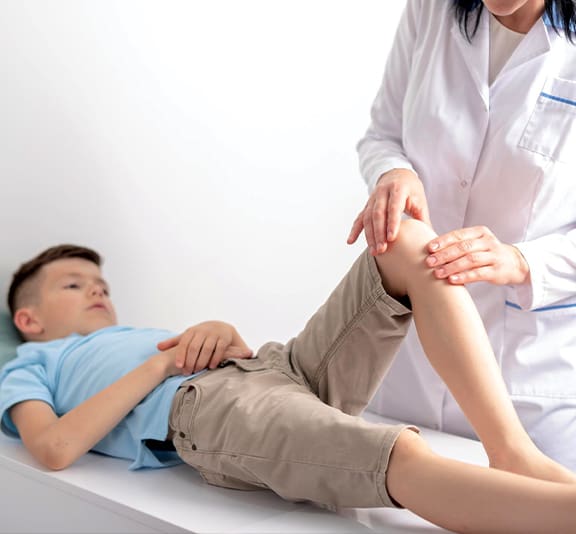
Pediatric Orthopaedics: Signs Parents Should Never Ignore Children are always on the move, running, playing, and exploring their environment. Though a certain number of bumps and bruises are part of growing up, there are some bone and joint problems that should not be overlooked. Early diagnosis of orthopedic issues is essential as the bones of children are still in the process of development, and undiagnosed disorders may have an impact on their future growth and locomotion. Knowledge of the time to consult an expert in the field of pediatric orthopaedics Hisar will assist parents to make sure that their child is growing strong, healthy, and active. Understanding Pediatric Orthopaedics and Why It Matters Pediatric orthopaedics is a specialty of treating and diagnosing bone, joint, and muscle diseases in children. Children, as opposed to adults, have growth plates, which are soft regions on the ends of the bones that allow their growth. These regions are more susceptible to damage and demand special treatment. Since the bones of children are still in development, the slightest problem can affect their future lives unless effectively addressed. This is the reason a visit to a children bone doctor Hisar is necessary in case the symptoms continue or even get worse. Early intervention not only helps to avoid complications but also to have proper alignment of the bones as well as development. Most of the pediatric orthopedic disorders can be cured with the aid of proper treatment, thus the children can resume their normal lives without having any lasting consequences. Persistent Joint Pain and Swelling in Children Children usually feel some discomfort following exercise, but continuous pain or swelling is worrisome. When a child keeps crying that he or she has pain in his or her knees, ankles, or any other joints, then it might show that there is a problem. crying that he or she has pain in his or her knees, ankles, or any other joints, then it might show that there is a problem. Ongoing discomfort can be provoked by conditions like infections, inflammation, or early joint disorders. In this situation, in-time treatment of child’s joint pain Hisar will count in preventing complications. Swelling, redness, or warmth around the joints should also be monitored by the parents. The signs can be signs of inflammation or harm that needs treatment. The denial of these symptoms may result in decreased mobility and chronic problems. Difficulty Walking or Limping One of the most obvious indicators that something can go amiss is limping. Although minor injuries may lead to temporary limping, lasting or unexplained limping can never be overlooked. A child who refuses to put weight on one leg or walks on one leg lopsided may have a fracture, muscle injury, or joint problem. At times, children might not be able to indicate the pain, and thus limping is the only observable symptom. Referring to a practitioner of paediatric orthopaedics, Hisar aids in diagnosing the cause beforehand. Such ailments like hip disorders, infections, or growth plate injuries are ailments which are easily treated when dealt with on time. Frequent Fractures or Bone Injuries Children are active by nature, and frequent fractures of the body or injuries might mean that the bones are weak or there are currently some underlying conditions. One fracture caused by a fall can be considered a normal case. However, multiple fractures after minimal impacts need to be assessed. Children bone doctor Hisar can check bone strength and diagnose nutritional deficiency or any medical condition that might cause problems with bone strength. Effective diagnosis of children can guarantee the right treatment of children, whether it is dietary counselling, supplements, or health care. Bone health should be taken care of at an early age to prevent any injuries in the future and enable the development of a robust skeleton. Delayed Growth or Physical Development Children develop differently; however, any significant physical developmental delays can be associated with orthopedic issues. The signs that are not to be overlooked include uneven length of limbs, inability to stand, late walking, or abnormal posture. These problems can be associated with bone issues, muscle weakness, or developmental problems. Early assessment in pediatric orthopaedics Hisar enables physicians to check the progress and prescribe remedies as necessary. Early intervention means that children grow their way to normal without having to face complications that could be treated in a more complicated manner in the future. Expert Child Joint Pain Treatment Hisar at Orthomed In the search for reliable care, Orthoped provides a variety of services specializing in pediatric orthopaedics Hisar, which offers extensive assessment and treatment of children with bone and joint diseases. Having qualified specialists and child-receptive care methods, Orthomed makes sure that young patients feel at home during treatment. It can be fractured care, child joint pain treatment Hisar, or mobility problems. The hospital offers individual solutions that are based on the needs of individual children. Being a trusted facility with access to a talented children bone physician Hisar, Orthomed is oriented to early diagnosis, effective treatment, and long-term health. They have a multidisciplinary approach to guarantee that children are taken care of, both during the first visit and recovery and follow-up. Final Thoughts The orthopedic health of children is crucial in their growth and development of the children. Although minor injuries are widely observed, there are specific symptoms that should not be overlooked, including constant pain, limping, frequent fractures, or slow growth. Timely attention to specialists of the field of pediatric orthopaedics Hisar guarantees the fact that the problems will be identified as soon as possible and effectively treated. In the presence of skilled assistance and developed care at the Orthomed, parents will be sure that their children are heading to a healthy and active lifestyle. Popular Post Understanding the Link Between Menopause and Bone Health in Women The Role of Robotics in Modern Orthopedic Surgery Plastic Surgery Post-operative care for neurosurgery patients: A Comprehensive Guide Surgical & Non-Surgical Trеatmеnts for Bonе Fracturе
From ACL Tear to Full Recovery: A Complete Guide for Athletes
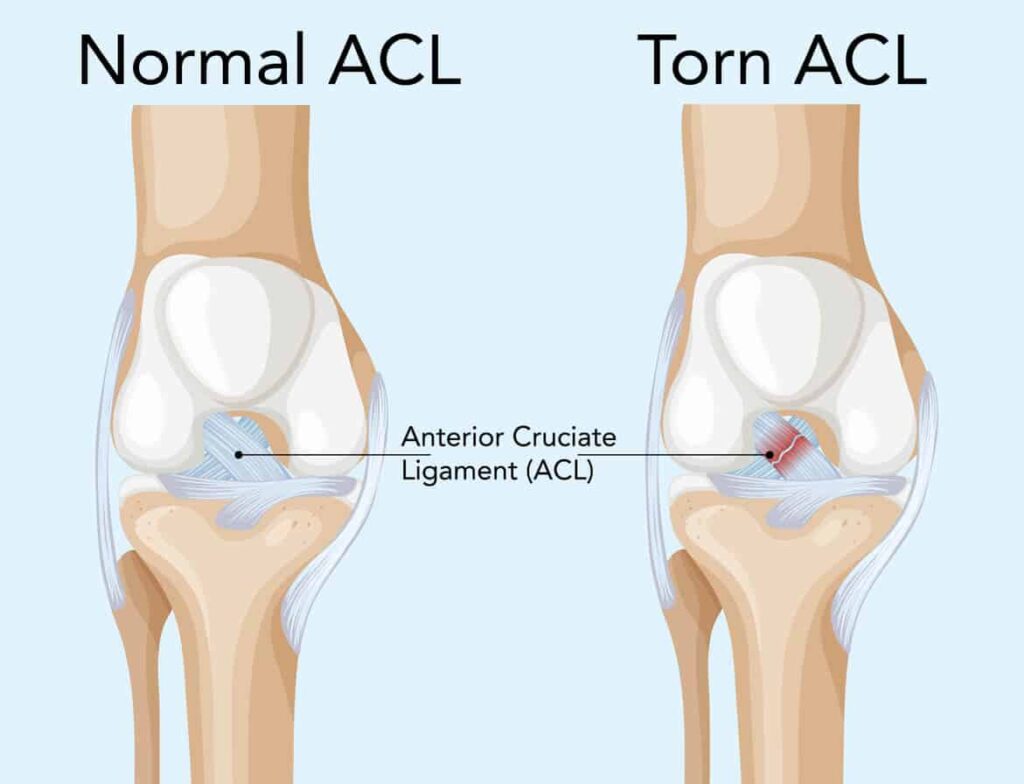
From ACL Tear to Full Recovery: A Complete Guide for Athletes One of the most severe and common injuries among athletes is an ACL (anterior cruciate ligament) tear. ACL injury can be a major performance and mobility hindrance, whether it happens in a sudden twist, pivot, or impact. But, through appropriate treatment and rehabilitation, the athletes can reappear. The knowledge of the path between injury and recovery is a must for any person who wants to achieve successful ACL tear treatment Hisar and safe recovery to sport. What Are ACL Injuries and Their Impact? ACL is a major ligament that provides stability to the knee joint, particularly in activities that involve sudden changes of direction, jumping, or high-impact activities. Laceration of this ligament causes instability, pain, and restricted knee activity. Athletes with an ACL tear complain of a popping sound on the injury and swelling with weight-bearing pain. It is worthwhile to have a specialist in the very near future to evaluate the severity level and start proper care. This early diagnosis is very important in deciding whether a non-surgical treatment or ligament injury surgery Hisar is necessary. Diagnosis and Treatment Options Physical examination and imaging tests like MRI scans are used in accurate diagnosis. These are useful in identifying the partial tear or complete rupture of the ligament. In minor injuries, simple treatment, such as rest, physiotherapy, and strengthening exercises, might be useful. Nevertheless, in the case of athletes or those who have complete tears, surgical reconstruction is usually advised. ACL tear treatment Hisar usually consists of reconstructing the damaged ligament with a graft and a planned rehabilitation. Early therapy guarantees improved stability and minimizes the risk of chronic problems. The Role of Ligament Injury Surgery Hisar in ACL Recovery Surgery is usually the choice for active individuals who desire to resume sports. Current ligament injury surgery Hisar procedures employ less invasive arthroscopic surgeries, which have small incisions and quicker recovery. Surgery aims to stabilize the knee and enable the patient to resume normal functioning. The development of surgical technology has led to accuracy, minimization of complications, and improved long-term outcomes. Surgery, however, is not sufficient; post-operative rehabilitation is key to successful recovery. Rehabilitation: The Key to Full Recovery with Knee Injury Recovery Hisar One of the most significant steps of ACL recovery is rehabilitation. It targets to build strength, knee flexibility, and balance. The healing process is a slow one and is normally broken into stages. The first phase is aimed at eliminating swelling and restoring limited movements. This is succeeded by strengthening exercises and later sport-specific training. Proper knee injury recovery Hisar programs help restore stability and functionality in the knee. Rehabilitation may be skipped or rushed, which can put people at risk of re-injury, and it is required that rehabilitation be consistent to be successful in the long term. Returning to Sports Safely The major worry of athletes after an ACL injury is how to resume the sport. It is natural to desire a fast comeback, but that may cause significant losses if it is premature. Safe return is reliant on several factors, such as muscle strength, joint stability, and fitness. Only when a doctor has given athletes the green light, and they have gone through a complete knee injury recovery Hisar program should they resume sports. Slow increase, training, and exercises for further strengthening are the measures that decrease the risk of future injuries. Expert ACL Care at Orthomed As an athlete who needs a good ACL tear repair Hisar, Orthomed is the place that provides a high-quality orthopedic service with attention to accuracy and healing. The hospital offers full service, including proper diagnosis, to highly qualified ligament injury surgery Hisar and rehabilitation. Orthomed has qualified experts and advanced surgical procedures that can guarantee successful care based on the individual needs of the patients. Their rehabilitation programs are designed to support complete knee injury recovery Hisar, helping athletes regain strength, confidence, and performance. The patient-centric approach of Orthomed will provide some form of guidance to individuals at each stage, including injury management and safe return to sports, which will make it a reliable option when it comes to ACL care in Hisar. Final Thoughts ACL tear may be a daunting blow, yet with proper ACL tear treatment Hisar, one can get back on track. Early diagnosis, appropriate treatment, successful surgery & regular rehabilitation are all essential in the healing process. It is better to prevent the usual pitfalls and adhere to the recommendations of the specialists to have a safe and successful recovery process. Advanced care and support at Orthomed will enable athletes to overcome injury, regain strength, and go back to their sport even better. Popular Post Understanding the Link Between Menopause and Bone Health in Women The Role of Robotics in Modern Orthopedic Surgery Plastic Surgery Post-operative care for neurosurgery patients: A Comprehensive Guide Surgical & Non-Surgical Trеatmеnts for Bonе Fracturе