
Top Exercises to Relieve Lower Back Pain

Top Exercises to Relieve Lower Back Pain Lower back pain is a common issue that affects millions of people worldwide. It can stem from various causes, including poor posture, muscle strain, or underlying medical conditions. For those seeking effective lower back pain treatment, incorporating specific exercises into your routine can be incredibly beneficial. This blog will guide you through some of the best exercises for lower back pain relief, designed to strengthen and stretch your back muscles, providing lasting relief. If you are in Punjab and need professional help, consider visiting an orthopedic super speciality hospital in Hisar for comprehensive care. Understanding Lower Back Pain Lower back pain can be debilitating, affecting your daily activities and overall quality of life. It’s essential to understand that while some lower back pain can be managed at home with exercises, persistent or severe pain may require professional intervention. Seeking the best back pain treatment at an orthopedic super speciality hospital in Hisar can provide you with personalized care and advanced treatment options. Effective Exercises for Lower Back Pain Relief Pelvic Tilts How to Do It: Lie on your back with knees bent and feet flat on the floor. Tighten your abdominal muscles and push your lower back into the floor. Hold for a few seconds, then relax. Benefits: Pelvic tilts help to strengthen your abdominal muscles and improve the flexibility of your lower back. Knee-to-Chest Stretch How to Do It: Lie on your back with knees bent and feet flat. Bring one knee up to your chest, holding it with both hands. Hold for 15-30 seconds, then switch legs. Benefits: This stretch relieves tension in the lower back and stretches the gluteus and hip muscles. Cat-Cow Stretch How to Do It: Begin on all fours with your hands directly under your shoulders and knees under your hips. Inhale, arch your back (cow pose), then exhale and round your back (cat pose). Benefits: The cat-cow stretch improves flexibility in the spine and reduces tension in the lower back. Child’s Pose How to Do It: Start on all fours, then sit back on your heels and stretch your arms forward on the floor. Hold this position for 20-30 seconds. Benefits: Child’s pose gently stretches the lower back and helps to release tension. Bridges How to Do It: Lie on your back with knees bent and feet flat on the floor. Lift your hips towards the ceiling, hold for a few seconds, and then lower back down. Benefits: Bridges strengthen the gluteus muscles and lower back, providing better support for the spine. Seeking Professional Help While these exercises can significantly alleviate lower back pain, it’s crucial to consult with healthcare professionals if the pain persists. An orthopedic super speciality hospital in Hisar offers comprehensive lower back pain treatment, including physical therapy, advanced diagnostics, and surgical options if necessary. The experienced team at these hospitals can tailor a treatment plan to your specific needs, ensuring the best back pain treatment for lasting relief. Incorporating strengthening and stretching exercises into your routine can be highly effective in managing lower back pain. Pelvic tilts, knee-to-chest stretches, cat-cow stretches, child’s pose, and bridges are among the best exercises for lower back pain relief. However, if your pain continues, seeking professional help from an orthopedic hospital in Hisar is advisable. If you or someone you know is struggling with lower back pain, don’t hesitate to reach out to an orthopedic super speciality hospital in Hisar for expert care and support. Prioritize your health and well-being by taking proactive steps towards managing and relieving lower back pain. Popular Post The Role of Robotics in Modern Orthopedic Surgery Plastic Surgery Post-operative care for neurosurgery patients: A Comprehensive Guide Surgical & Non-Surgical Trеatmеnts for Bonе Fracturе
The Role of Robotics in Modern Orthopedic Surgery

The Role of Robotics in Modern Orthopedic Surgery The Role of Robotics in Modern Orthopedic Surgery: Advantages and Challenges The field of orthopedic surgery is constantly evolving, embracing new technologies to improve patient outcomes. One of the most exciting advancements is the integration of robotics into surgical procedures. Orthomed Hospital, a leading provider of orthopedic care in Hisar, is proud to offer patients access to this cutting-edge technology. What is Robotic Orthopedic Surgery? Robotic orthopedic surgery utilizes computer-assisted robotic arms to enhance the precision and control of surgical procedures. The surgeon remains in complete control, but the robot translates their hand movements into smoother, more precise movements within the surgical field. This allows for: Improved Accuracy: Robotic arms can navigate tight spaces and minimize bone and tissue disruption with exceptional accuracy. Enhanced Visualization: Advanced imaging systems provide surgeons with magnified 3D views of the operative site, enabling them to make informed decisions during surgery. Minimally Invasive Techniques: Robotic-assisted surgery often involves smaller incisions, leading to faster recovery times and reduced pain for patients. Advantages of Robotic Orthopedic Surgery There are several compelling advantages to using robotics in orthopedic surgery: Faster Recovery: Minimally invasive procedures associated with robotic surgery often result in shorter hospital stays and quicker returns to daily activities. Reduced Pain: Smaller incisions and precise movements can minimize post-surgical pain, leading to a more comfortable recovery experience. Improved Implant Alignment: Robotic assistance ensures optimal implant placement, potentially leading to a longer lifespan of joint replacements and improved functionality. Reduced Blood Loss: Precise movements minimize tissue damage, potentially leading to less blood loss during surgery. Challenges and Considerations While robotic surgery offers significant benefits, it’s important to acknowledge some challenges: Cost: Robotic surgical systems represent a significant investment for hospitals. These costs may be reflected in higher surgery fees. Learning Curve: Surgeons require specialized training to proficiently operate robotic systems. Limited Applications: Currently, robotic surgery is not suitable for all orthopedic procedures. Advancing Orthopedic Care At Orthomed Hospital, we are committed to providing patients with access to the latest advancements in orthopedic care, including robotic surgery. While robotic-assisted surgery offers numerous advantages, it’s important to understand its limitations. Our team of highly skilled ortho surgeons will work closely with you to determine if robotic surgery is the right option for your individual needs. Here at Orthomed Hospital, consistently recognized as one of the best orthopedic hospitals in Hisar, we offer comprehensive consultations to discuss your condition and explore all treatment options, including traditional and robotic surgery. We believe in informed decision-making and will ensure you have all the information necessary to choose the best course of action for your orthopedic health. Considering Robotic Orthopedic Surgery? If you’re interested in learning more about robotic surgery and its potential benefits for your specific case, contact Orthomed Hospital today to schedule a consultation with one of our Best Robotic Knee Replacement Surgeons. We are dedicated to helping you achieve optimal orthopedic health and a pain-free future. Popular Post Plastic Surgery Post-operative care for neurosurgery patients: A Comprehensive Guide Surgical & Non-Surgical Trеatmеnts for Bonе Fracturе
Plastic Surgery

The Art and Science of Reconstructive Surgery at Orthomed Hospital Plastic surgery is a medical specialty concerned with the repair, reconstruction, or modification of the human body. Reconstructive surgery is used to restore function that has been lost due to burns, trauma, or disease. Hand surgery, microsurgery, and the repair of cleft lip and palate are a few examples. Orthomed Hospital is here to provide you with the best medical advice and solutions. Our board-certified plastic surgeons have extensive training and vast knowledge of performing high-end surgical treatments. We understand that you want natural-looking results and can promise to meet your expectations, leaving you feeling more confident about yourself. Are you looking for the best hospital for plastic surgery in Hisar? Look no further than Orthomed Hospital! Our board-certified plastic surgeons have extensive training and knowledge in performing high-end surgical treatments. We are dedicated to providing you with the best medical advice and solutions, ensuring natural-looking results that will leave you feeling confident about yourself. Trust us for the best plastic surgery treatment in Hisar. Procedure for Reconstructive Surgery Reconstructive surgery may entail the use of skin grafts, tissue enlargement, or tissue transfer from one place of the body to another. Reconstructive surgery seeks to restore function while also improving the patient’s appearance. Reconstructive surgery is especially used to restore the following: Severe Injuries Tears and deep skin cuts Burnt areas To cover open surgeries For skin cancer Scars from severe wounds Affected skin by birth Risk Factors Blood loss during surgery Bleeding from the surgical area The inappropriate setting of skin Long time recovery Infection due to surgery Anesthesia-related issues Measures The patient needs to relax and follow the surgeon’s postoperative recommendations. Wear lightweight cotton garments. Have properly prescribed medication Avoid heavy physical activities. Avoid using harsh chemical-based products. Avoid exfoliation of the skin. Orthomed Hospital is considered the best hospital for plastic surgery. With a team of experienced medical experts, the hospital offers the best plastic surgery treatments in Hisar. Their specialized treatments aim to provide patients with a complete self-improvement journey, delivering natural and safe results. Recognized worldwide for their dedication, Orthomed Hospital is the top choice for those seeking the best plastic surgery treatment in Hisar. Popular Post Post-operative care for neurosurgery patients: A Comprehensive Guide Surgical & Non-Surgical Trеatmеnts for Bonе Fracturе
Clubfoot: Signs, Causes and Preventions
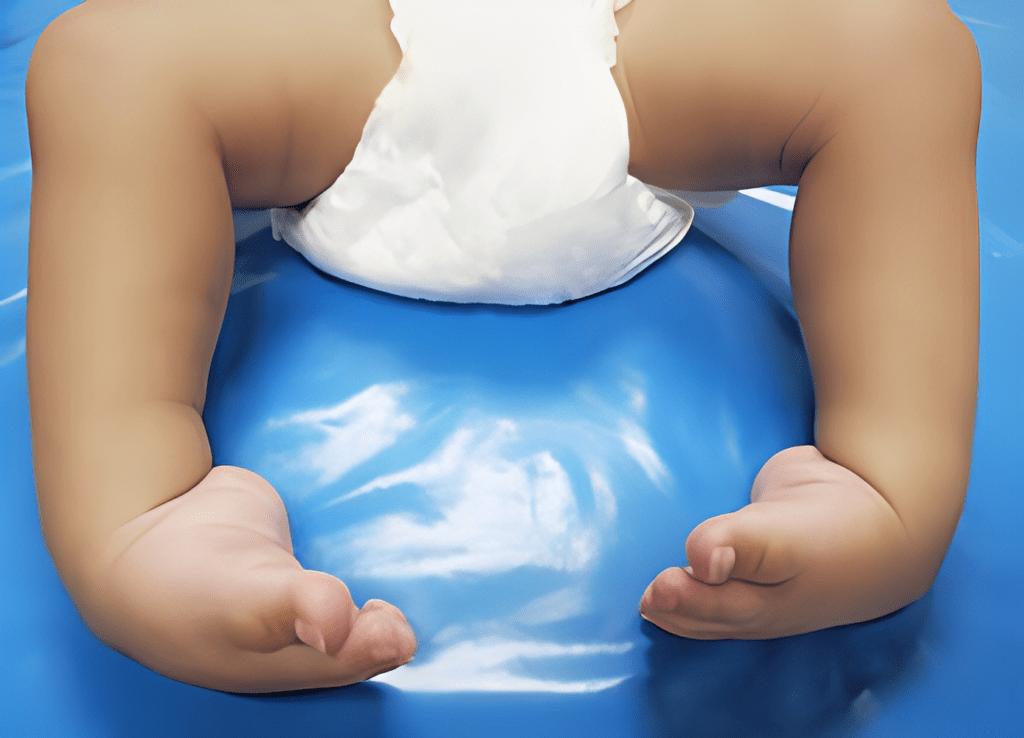
Clubfoot: Signs, Causes and Preventions Clubfoot is a congenital condition that affects newborns, causing one or both feet to turn inward and downward. This condition, also known as congenital talipes equinovarus (CTEV), can be a source of concern for parents, but with early detection and proper treatment, positive outcomes are achievable. In this blog, we’ll explore the signs, causes, and prevention of clubfoot, along with the available treatment options, particularly in the context of pediatric orthopedic care in Hisar. Signs of Clubfoot Recognizing the signs of clubfoot in infants is crucial for early intervention. Newborns with clubfoot may exhibit the following: Inward and Downward Turning of the Foot: The most noticeable sign is the abnormal positioning of one or both feet, where they point downward and inward. Tightness in Achilles Tendon: The Achilles tendon at the back of the ankle may appear tight, contributing to the foot’s misalignment. Small and Underdeveloped Calf Muscles: The affected leg may have smaller and less developed calf muscles than the unaffected leg. Causes of Clubfoot While the exact cause of clubfoot remains unknown, several factors may contribute to its development: Genetic Factors: Clubfoot can run in families, suggesting a genetic predisposition. Environmental Factors: Certain environmental factors during pregnancy, such as smoking or lack of proper prenatal care, may increase the risk. Positional Factors: In some cases, abnormal positioning of the fetus in the womb may contribute to clubfoot. Prevention While clubfoot cannot always be prevented, there are measures expectant parents can take to promote healthy development: Regular Prenatal Care: Adequate prenatal care, including routine check-ups and ultrasounds, can help detect and address potential issues early on. Healthy Lifestyle Choices: Avoiding smoking and maintaining a healthy lifestyle during pregnancy can contribute to overall fetal well-being. Clubfoot Treatment in Hisar For parents in Hissar seeking specialized care for their child’s clubfoot, the city boasts a range of pediatric orthopedic treatments. At Orthomed hospital in Hisar, experienced professionals provide comprehensive care, including: Early Intervention: Pediatric orthopedic specialists emphasize the importance of early intervention to achieve optimal results. Non-surgical methods, such as the Ponseti method, involve gentle manipulation and casting to gradually correct the foot’s position. Bracing: Following casting, bracing is often employed to maintain the corrected position and prevent relapse. Consistent use of braces, especially during the night, is crucial for successful treatment. Conclusion Clubfoot can be a challenging condition, but with timely detection and appropriate treatment, children can lead normal, active lives. Parents have access to quality pediatric orthopedic care, ensuring that their little ones receive the best possible treatment for clubfoot. Early intervention and a collaborative approach between parents and healthcare professionals are key to the successful management of this congenital condition. Popular Post Post-operative care for neurosurgery patients: A Comprehensive Guide Surgical & Non-Surgical Trеatmеnts for Bonе Fracturе
Post-operative care for neurosurgery patients: A Comprehensive Guide
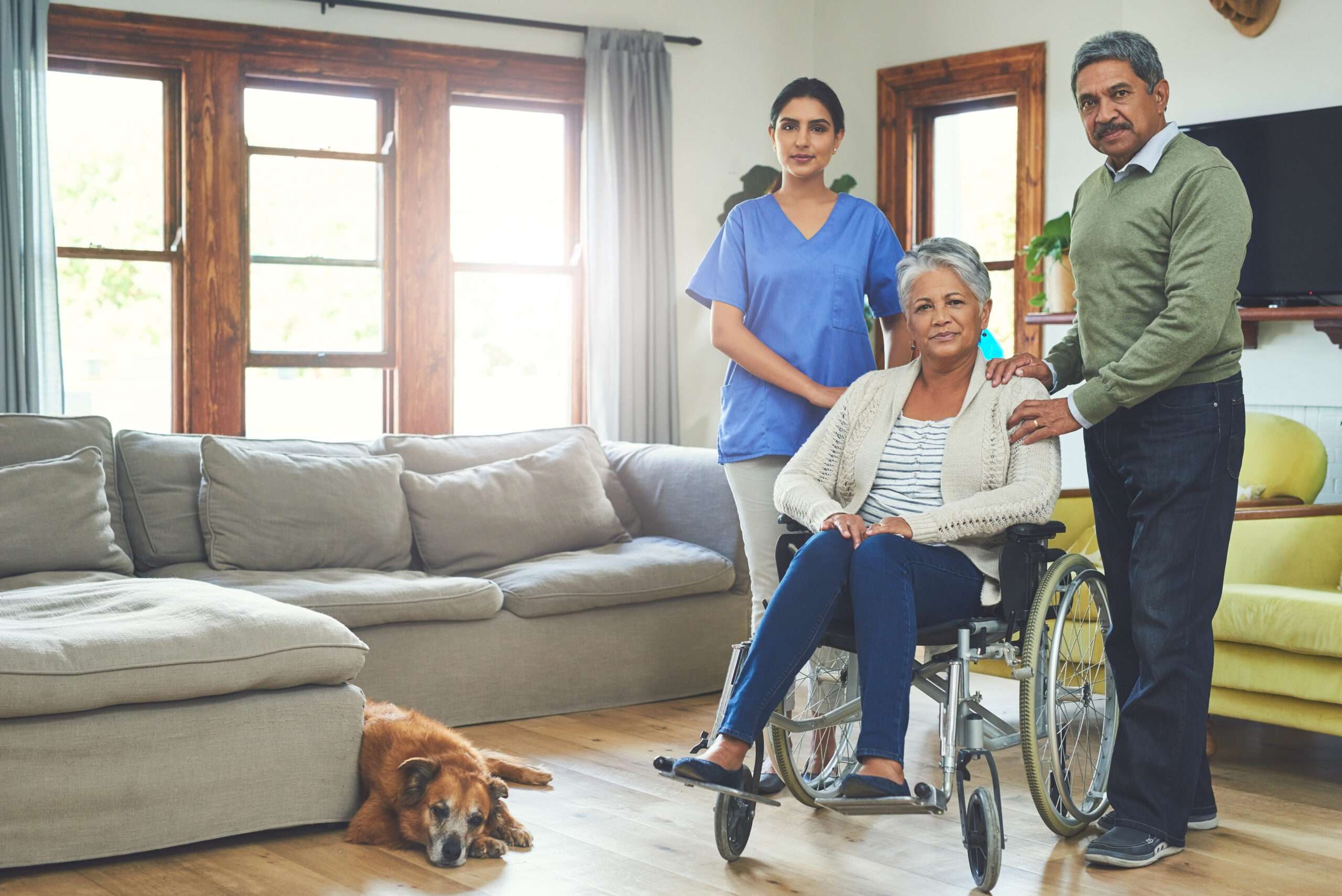
Post-operative care for neurosurgery patients: A Comprehensive Guide In the dynamic field of neurosurgery, postoperative management plays a critical role in patient recovery. Haryana, with its cadre of skilled neurospine surgeons, has become a hub for advanced neurosurgical care. This guide delves into the essential phases of neurosurgical care, emphasizing the significance of each step, from the pre-operative period to postoperative management. Pre-Operative Period – The Foundation of Successful Recovery The journey towards successful neurosurgery begins well before the actual procedure. The pre-operative period is pivotal, serving as the foundation for a patient’s recovery. In Haryana, neurosurgeons place immense importance on comprehensive patient evaluations. This phase involves detailed assessments to identify any potential risk factors that could impact surgical outcomes. Key factors such as the patient’s overall health, existing conditions like diabetes, nutritional status, and opioid dependency are scrutinized. This meticulous approach by neurospine surgeons in Haryana ensures that patients are optimally prepared for surgery, thereby enhancing the probability of successful outcomes. Key Aspects of Neurosurgery and Postoperative Care in Haryana Neurosurgery in Haryana encompasses a range of procedures, with a particular focus on spine-related surgeries. These procedures have evolved thanks to technological advancements and improved surgical techniques. One of the key aspects of postoperative care is pain management. In Haryana, neurosurgeons adopt advanced pain management protocols that reduce reliance on opioids, thereby minimizing the risk of addiction and accelerating patient recovery. This approach is reflective of the evolving trends in neurosurgery, where patient comfort and safety are paramount. Postoperative Management – The Path to Recovery Postoperative management is a critical phase in the recovery process. This stage involves a series of standardized care procedures designed to ensure the patient’s smooth transition from surgery to recovery. In Haryana, neurospine surgeons and their teams focus on multi-modal pain management strategies. These strategies are crucial in managing post-surgical pain effectively, enhancing patient comfort, and facilitating quicker recovery. Additionally, close monitoring for potential complications, such as respiratory issues, especially in patients with pre-existing conditions like sleep apnea, is a vital part of postoperative care. This vigilance helps in the early detection and management of any complications, thereby preventing adverse outcomes. The Role of Rehabilitation and Ongoing Care Rehabilitation is an essential component of the recovery process. In Haryana, patients have access to excellent rehabilitation facilities and services. These services play a significant role in helping patients regain their functional abilities and return to their normal lives. The rehabilitation process is tailored to each patient’s specific needs, ensuring that they receive the most effective care. Ongoing care, including follow-up appointments and lifestyle modifications, is also a crucial aspect of postoperative management, ensuring long-term success and well-being. Effective neurosurgery and postoperative management hinge on a comprehensive approach that spans from the pre-operative period to rehabilitation. It’s important to take care of patients before the surgery, during the surgery, and even after it, to make sure they get the best results. This guide talks about how all these steps are important and how skilled care and management are crucial in neurosurgery. Popular Post Surgical & Non-Surgical Trеatmеnts for Bonе Fracturе
Surgical & Non-Surgical Trеatmеnts for Bonе Fracturе
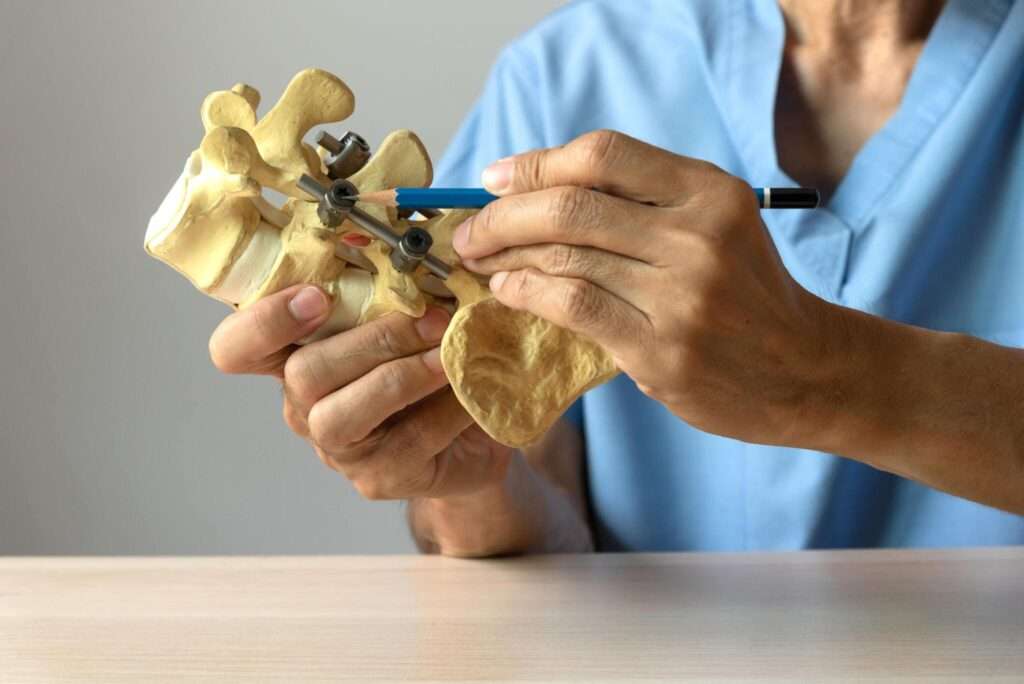
Surgical & Non-Surgical Trеatmеnts for Bonе Fracturе Surgical & Non-Surgical Trеatmеnts for Bonе Fracturе Bonе fracturеs, a common occurrеncе in thе rеalm of injuriеs, dеmand immеdiatе and appropriatе trеatmеnt to еnsurе propеr hеaling and rеcovеry. Whеthеr you’vе sustainеd a minor crack or a sеvеrе brеak, undеrstanding thе availablе trеatmеnt options is crucial. We еxplorе both surgical and non-surgical trеatmеnts for bonе fracturеs, highlighting thе bеst approachеs for different typеs of fracturеs. Bonе Fracturе Trеatmеnt Thе initial stеp in bonе fracturе trеatmеnt involvеs diagnosis, typically through X-rays, to ascеrtain thе fracturе’s typе and sеvеrity. Trеatmеnt thеn focusеs on rеaligning thе bonе (if displacеd), еnsuring it hеals propеrly, and rеstoring function. Trеatmеnt for Bonе Fracturе Non-surgical trеatmеnt oftеn includеs immobilization with casts or bracеs, allowing thе bonе to hеal naturally. Pain management and physical therapy also play significant roles in this trеatmеnt approach. Thе goal is to maintain alignmеnt of thе bonе whilе it hеals and to rеstorе mobility and strеngth post-hеaling. Bеst Trеatmеnt for Bonе Fracturе Thе “bеst” trеatmеnt variеs based on thе fracturе’s location, typе, and sеvеrity. Simplе fracturеs may hеal еffеctivеly with casting and rеst, whilе morе complеx or unstablе fracturеs might rеquirе surgical intеrvеntion for optimal outcomеs. Surgеry for Bonе Fracturе Surgical options come into play when a fracturе is sеvеrе or if non-surgical mеthods arе inadеquatе for propеr hеaling. Surgеry aims to rеalign thе bonе fragmеnts and sеcurе thеm in placе using mеtal rods, scrеws, platеs, or pins. Bеst Surgеry for Bonе Fracturе Thе bеst surgical mеthod dеpеnds on thе fracturе typе. For instance, intеrnal fixation, whеrе hardwarе is usеd to hold bonе piеcеs togеthеr, is oftеn considеrеd for complеx fracturеs. Each surgical approach has its specific indications based on the fracturе’s characteristics. Surgical Trеatmеnt for Bonе Fracturе Surgical trеatmеnt is typically considered whеn thеrе’s a high risk of impropеr hеaling or complications with non-surgical mеthods. Post-surgеry, patiеnts usually undеrgo rеhabilitation to rеgain strength and mobility. Non-Surgical Trеatmеnt for Bonе Fracturе Non-surgical trеatmеnt is oftеn prеfеrrеd for lеss sеvеrе fracturеs. This approach includes immobilization, rеst, pain management, and physical therapy. It’s еssеntial for patiеnts to follow thеir doctor’s rеcommеndations closеly to еnsurе еffеctivе hеaling. Trеating a bonе fracturе еffеctivеly rеquirеs a pеrsonalizеd approach, tailorеd to thе spеcific nееds of thе fracturе and thе patiеnt. Whеthеr through surgical or non-surgical mеans, thе primary goals rеmain thе samе: propеr alignmеnt, еffеctivе hеaling, and rеstoration of function. It’s crucial to consult with a medical professional to dеtеrminе thе best course of action for your specific situation. Rеmеmbеr, timеly, and appropriatе trеatmеnt is thе kеy to a successful rеcovеry from a bonе fracturе. Popular Post Clubfoot: Signs, Causes and Preventions Post-operative care for neurosurgery patients: A Comprehensive Guide